Biu Jee: Wing Chun's Emergency Technique Form
A traditional saying holds that Biu Jee does not go out the door. Of Wing Chun's three empty-hand forms, the third was historically the most closely guarded — taught only to advanced students of proven character, kept away from casual practitioners and outsiders. Understanding why requires understanding what Biu Jee actually contains, and what problem it was designed to solve.
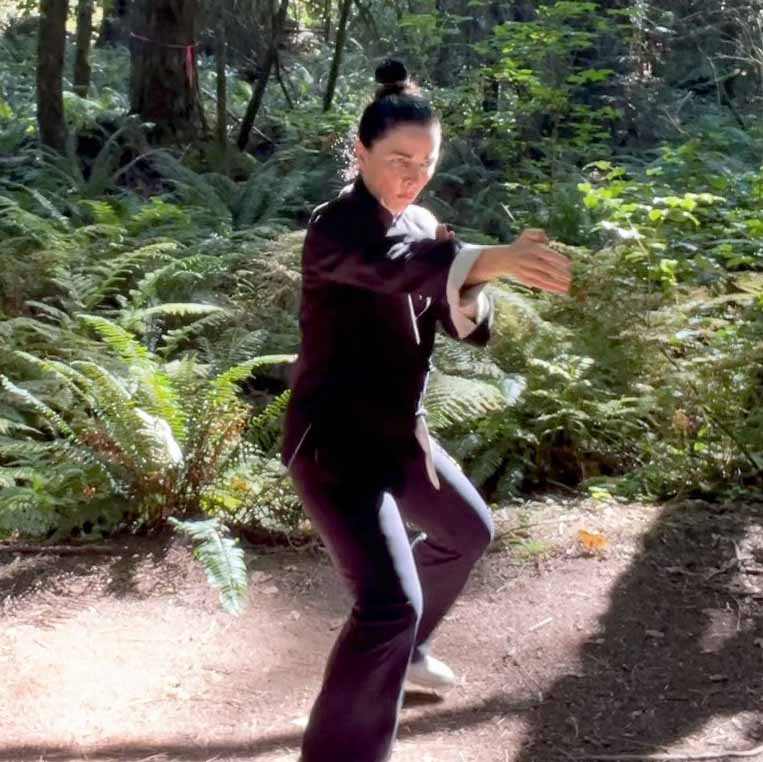
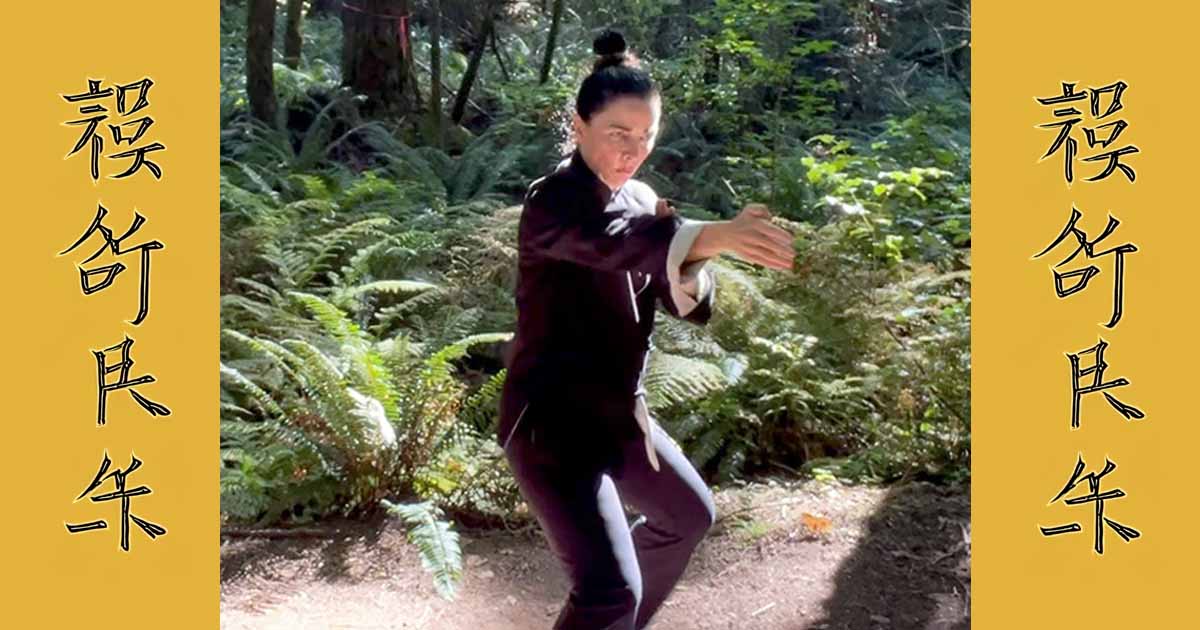
Biu Jee — 鏢指 — translates to Thrusting Fingers or Darting Fingers. The name refers to one of the form's most distinctive features: penetrating finger strikes to vulnerable anatomical targets. But the finger thrusts are not the form's most important content. What makes Biu Jee unique within the Wing Chun curriculum is its subject matter: emergency techniques for recovering from compromised positions.
The Emergency Technique Principle
Sil Lim Tao and Chum Kiu teach Wing Chun's techniques in contexts where the practitioner operates from structural integrity. Biu Jee addresses a different scenario: what happens when that integrity has been disrupted? When grabbed, taken off balance, had an arm trapped, or placed in a disadvantaged position where conventional Wing Chun responses are inaccessible? The emergency techniques are the answers — methods for recovering the centreline from off-angle positions, breaking free from grips, and attacking when conventional paths are blocked.
What Biu Jee Introduces
Elbow Strikes — Biu Jee develops the elbow as a primary striking weapon in multiple directions. The elbow is one of the most powerful striking tools at close range — harder than the fist, shorter in travel distance, less dependent on a clear path to the target. Finger Thrusting — The Biu Jee technique itself targets anatomical vulnerabilities that a closed fist cannot effectively reach. Long-Range Power — Biu Jee introduces a different mode of power generation that complements the close-range elbow-driven force of Sil Lim Tao. Breaking Free — Techniques for escaping grips and restraints that the standard Wing Chun framework does not address.
Why Biu Jee Completes the System
Wing Chun's three empty-hand forms represent three distinct but complementary approaches to combat. Together they form a complete curriculum covering the full range of close-range combat scenarios. Experienced practitioners report that Biu Jee changes their relationship to the first two forms — understanding the emergency techniques removes anxiety from practice, and when you know what to do if things go wrong, you hold your structure with less rigidity and more genuine confidence.
For structured expert instruction in Biu Jee, Sifu Kendra Mahon's Biu Jee Master Certification covers the complete form with step-by-step video instruction, examination, and official certification.