William Cheung’s journey with Ip Man
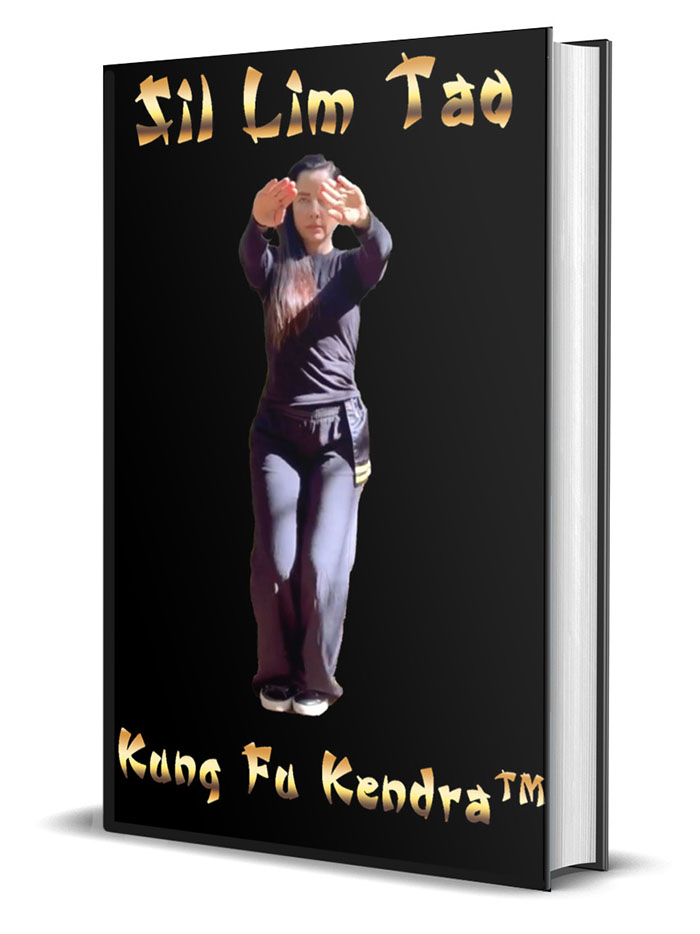
William Cheung trained as one of Ip Man's fisrt students privately under Ip Man from the early 1950s, receiving instruction in a version of Wing Chun rarely seen today. Cheung learned not just the advanced Sil Lim Tao form but also deeper footwork, angles, positional “door” theories, and sophisticated trapping techniques. These layers made the system far more complex than the streamlined mainstream approach taught to the public later on.
Legacy of the Master
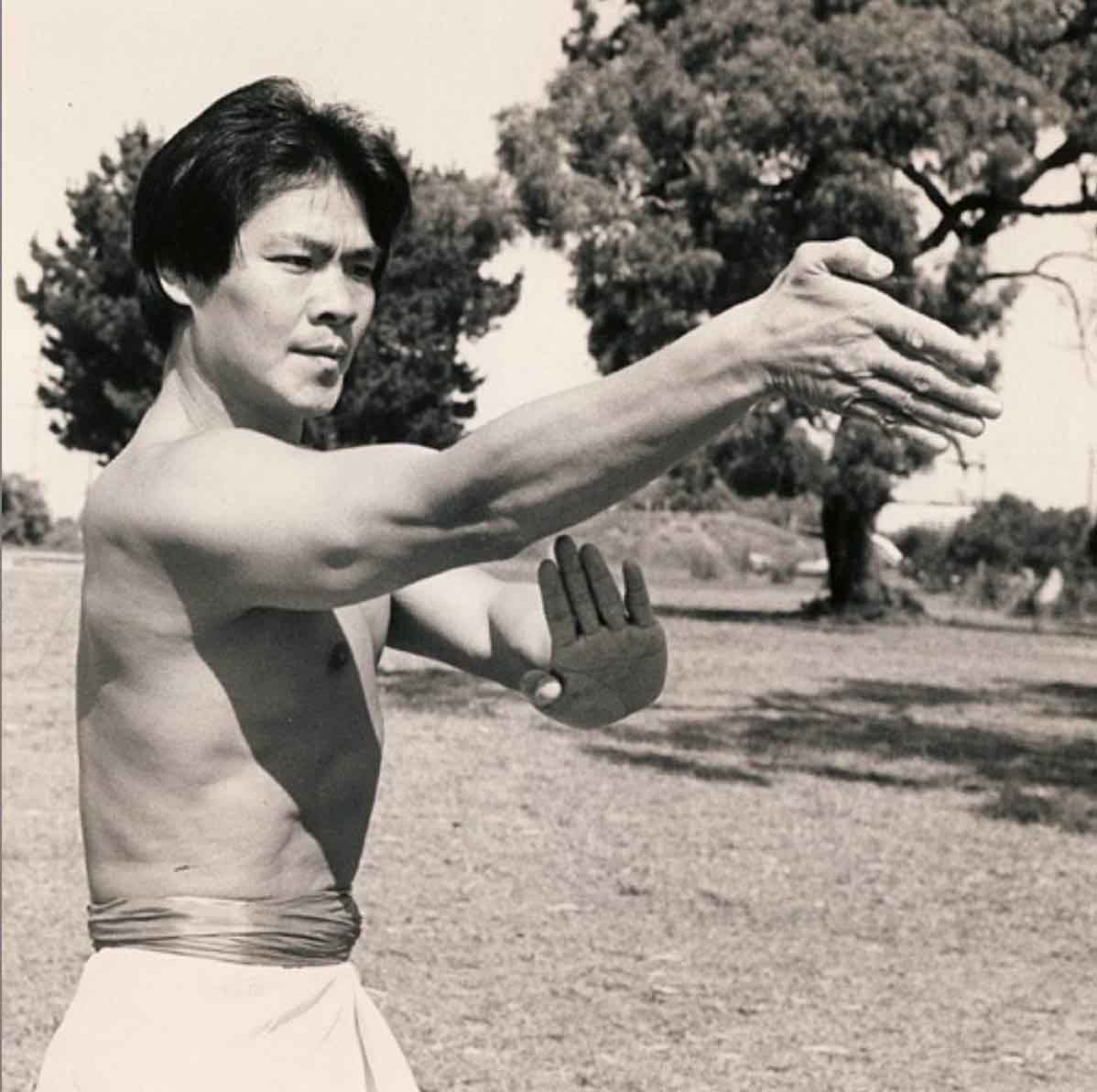
Ip Man—the legendary Wing Chun Grandmaster—taught many students during his lifetime. Yet, for William Cheung, the experience was unique. Cheung lived and trained with Ip Man as a live-in disciple from 1954 to 1958, when the art was still raw, nuanced, and deeply guarded. In those years, Cheung received not only the forms but the strategic and philosophical core of Wing Chun.

The Secret Curriculum
Unlike most other students, Cheung learned a complete system that extended far beyond the basics. Ip Man taught him advanced “Sil Lim Tao” along with specialized footwork, off-center angles, blindside attacks, complex trapping, and the “door” theory—a method of controlling an opponent’s options on many axes. Techniques included multi-layered defense, redirection of force, and skillful manipulation of balance, making it one of the most intricate forms of Kung Fu ever transmitted.
Emphasis on Principles
Cheung’s Traditional Wing Chun relies on the core principles of the human body and physics. Rather than brute strength, the system focuses on efficiency, leverage, and minimal movement to gain both tactical and strategic advantage. Practitioners learn to deflect straight and circular force, neutralize the opponent’s power, and use the shortest, most logical path to victory.
Cheung's Influence on Bruce Lee
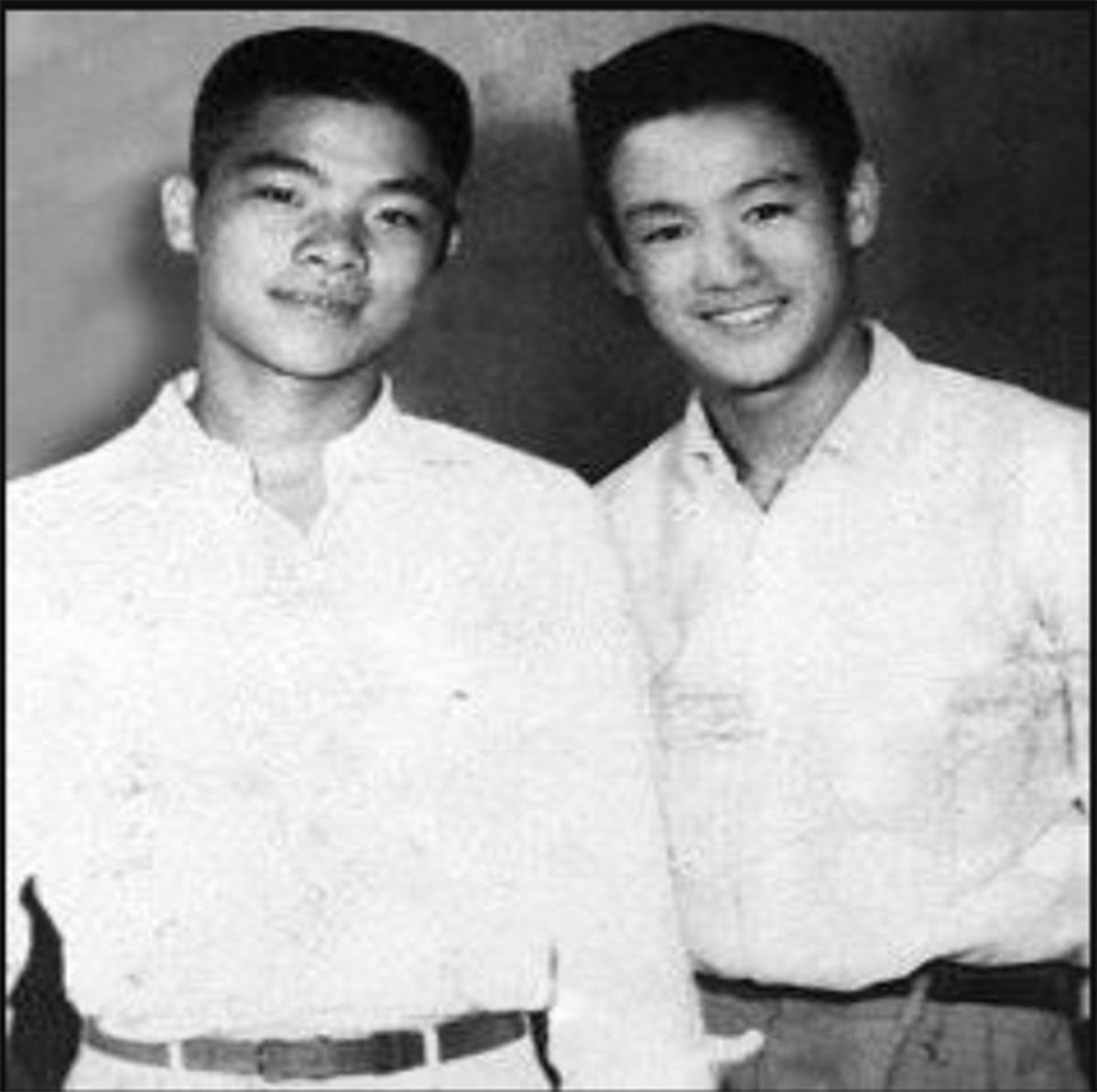
Cheung’s knowledge influenced not only his students, but also Bruce Lee. Cheung personally introduced Lee to Ip Man and often challenged him in creative ways, encouraging Lee to question the simplified mainstream version. Many of Lee's personal fighting techniques and the philosophy behind Jeet Kune Do were inspired by Cheung's skills and mastery of deeper Wing Chun strategies. Their ongoing rivalry and mutual respect shaped both men’s martial approaches.
Why Ip Man Changed Wing Chun
As Wing Chun grew in popularity, especially in postwar Hong Kong and eventually among Western students, Ip Man sought to make teaching more efficient. He simplified the curriculum, stripping away esoteric techniques and cultural concepts to accelerate learning. The system became more direct, practical, and approachable for larger classes and new audiences, which made it globally accessible but also led to the loss of many advanced ideas Cheung had learned privately.
The simplified Wing Chun, characterized by linear movement, quick drills, and a front-facing stance, now dominates the global scene—especially in the United States. Yet, experts have noted that some tactical depth was lost in translation, making Cheung’s lineage a rare window into the complete art.
Traditional vs Modern Wing Chun
Cheung’s teaching retains technical hallmarks not found in most mainstream Wing Chun schools. Advanced forms, flexible side-on stances, and complex trapping drills are still foundational in his classes. Cheung’s system stresses scientific analysis, reflex development, and the ability to manipulate opponents’ structure and centerline with profound precision.
In contrast, modern adaptations tend to blend core principles with features from other martial arts, allowing practitioners to tailor the system for diverse body types and needs. This flexibility has broadened Wing Chun’s appeal, resulting in a worldwide following and ongoing debates about tradition versus innovation.
Achievements and Global Legacy
Cheung founded the Global Traditional Wing Chun Kung Fu Association and taught students and instructors worldwide, including notable Hollywood actors and elite athletes. He holds speed records, multiple Hall of Fame awards, and has appeared on over 35 magazine covers—a testament to his influence and mastery[web:1][web:13][web:15]. Cheung has also taught self-defense to military personnel, and many of his students have become tournament champions and prominent instructors themselves.
He continues to run seminars internationally, spreading Traditional Wing Chun’s philosophy and technical legacy across continents. His sons have joined him in teaching, ensuring that the lineage is passed on with integrity and depth.
The Real Art Lives On
Cheung’s style is a living museum of Wing Chun—a preservation of Ip Man’s most complete teachings before global demand for simplicity. It exists not only as a fighting system, but as a tradition rooted in science, philosophy, and tested wisdom. The approach transcends mere technique, offering students a pathway to true mastery and a direct link to the authentic heart and soul of Ip Man’s vision.
For those seeking more than just self-defense, Cheung’s Traditional Wing Chun remains one of the deepest, most original martial arts systems surviving today. Its lessons continue to inspire and challenge students worldwide, keeping the flame of the masters alive for future generations.