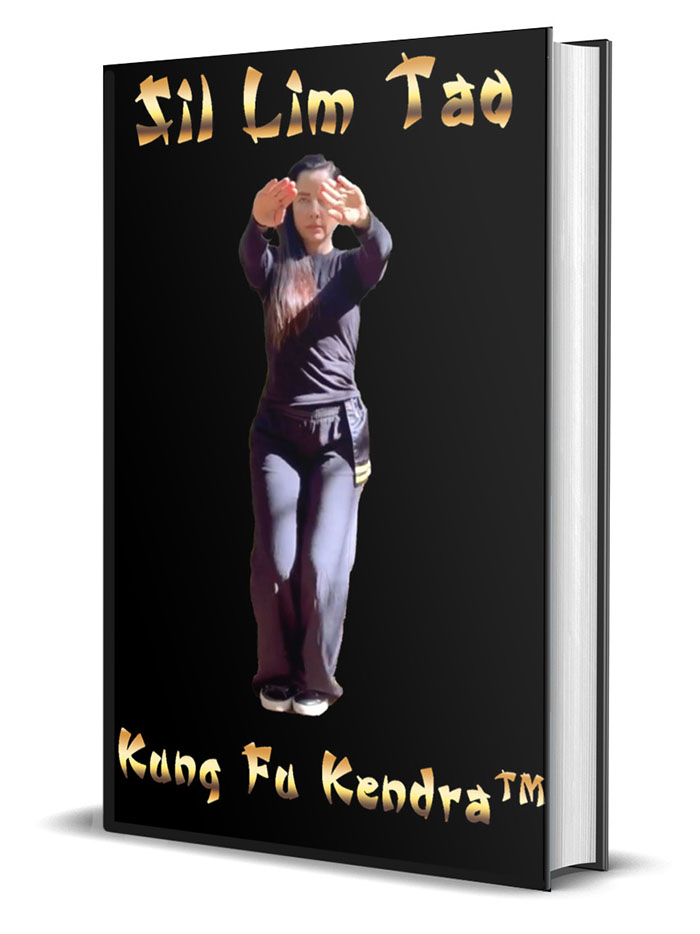
Of all the shapes in the Wing Chun system, Tan Sao might be the most misunderstood. It looks simple — a palm turned up, an arm extended — but underneath that simplicity is one of the clearest lessons Wing Chun has to teach about structure, timing, and economy of motion.
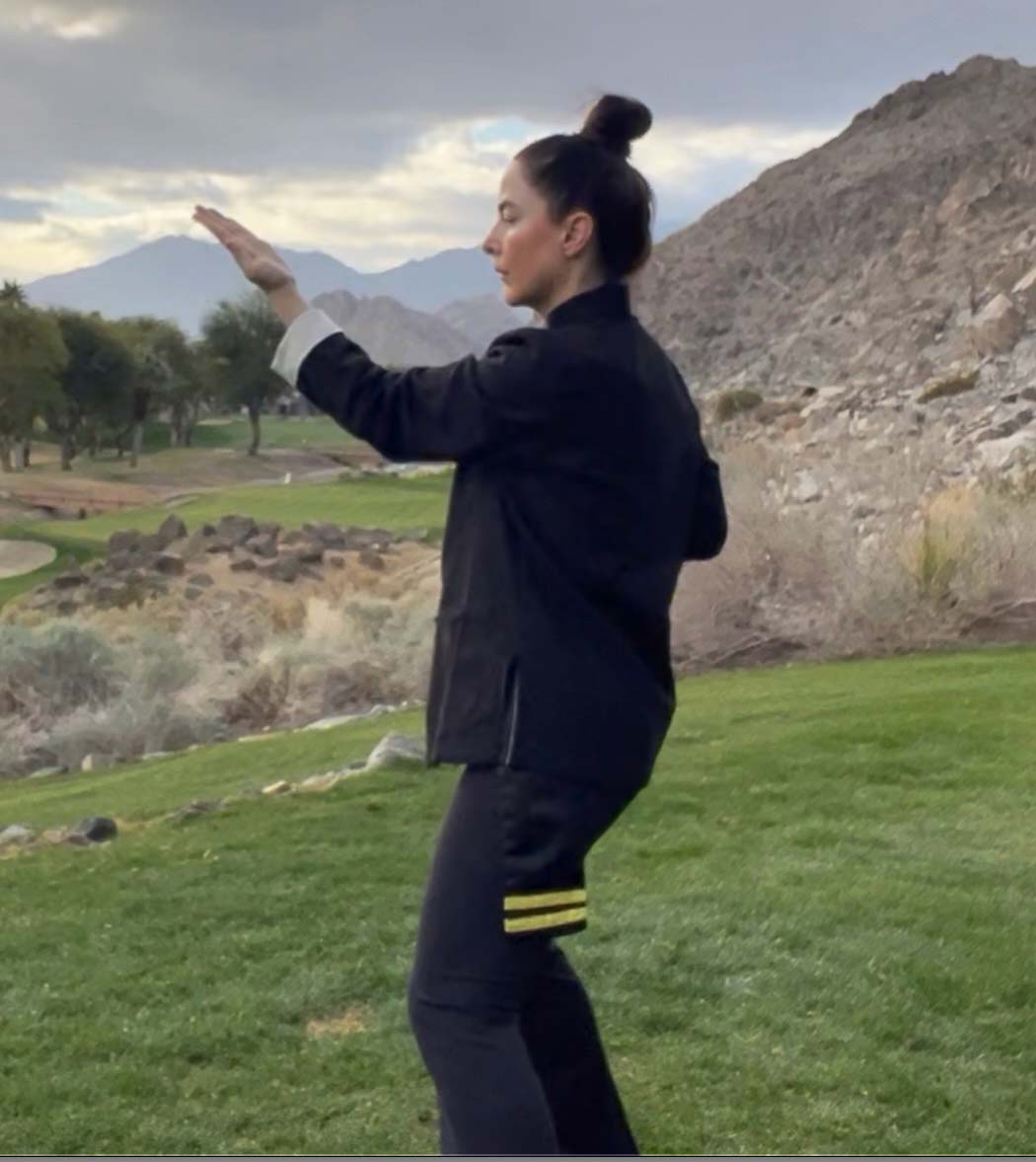
What Tan Sao Actually Is
Tan Sao translates roughly to "palm-up hand," and it first appears early in Sil Lim Tao, Wing Chun's foundational form. On the surface it looks like a passive gesture — an open palm rotated skyward, elbow held out from the body. In application, it is anything but passive. Tan Sao is a deflecting bridge, a shape used to redirect an incoming force along an angle rather than meeting it head-on. Done correctly, it doesn't block a punch so much as it disagrees with its direction, guiding the attack past the centerline while keeping the practitioner's own line open for a counter.
The Structure Behind the Shape
The reason Tan Sao shows up so early in training is that it teaches structural honesty before it teaches technique. The elbow has to sit at a specific distance from the body — roughly a fist's width — because that distance is what allows force to travel down through the arm and into the practitioner's stance instead of collapsing at the shoulder. Too close to the body and the arm has nowhere to transfer force; too far out and the structure buckles the moment real pressure arrives. Wing Chun instructors spend an enormous amount of time correcting this single detail, because a slightly wrong elbow position is the difference between a Tan Sao that survives contact and one that folds under it.
Where Practitioners Go Wrong
The most common mistake with Tan Sao isn't the shape itself — it's what happens the instant contact is made. Many beginners treat Tan Sao as a static block, holding the position and hoping it absorbs the incoming strike. But Wing Chun's whole philosophy runs against static defense. Tan Sao is meant to be a transitional shape, a brief redirection that immediately gives way to a counter-attack, often flowing straight into a strike from the same arm or the opposite one. Practitioners who "sit" in Tan Sao too long lose the initiative it was designed to create in the first place.
Tan Sao in Chi Sao and Live Application
In chi sao — Wing Chun's sticky-hands training method — Tan Sao becomes a sensing tool as much as a defensive one. Through repeated contact drilling, practitioners learn to feel pressure changes through the forearm and respond without needing to see the attack coming. This is where Tan Sao's real value shows up: not as an isolated technique performed in a vacuum, but as one shape in a constantly shifting conversation between two sets of forearms, each testing the other's structure for a gap to exploit.
How to Train It Correctly
Tan Sao is best trained in layers. Start static, in front of a mirror, until the elbow distance and rotation become automatic without conscious thought. Move to a partner applying light, steady forward pressure, focusing entirely on maintaining structure rather than muscling the arm into place. Only after structure holds under pressure should speed and unpredictability be added, first through basic chi sao patterns and eventually through freer, semi-live drilling. Rushed Tan Sao training almost always produces a shape that looks correct standing still and disappears the moment it meets resistance — which defeats the entire purpose of learning it in the first place.