Long before "Wu-Tang Clan Ain't Nuthing ta F' Wit" became a hip-hop landmark, RZA was a kid in Staten Island absorbing kung fu films on constant rotation. That obsession didn't stay in the movie theater — it became the architecture of an entire musical and business philosophy.
A Childhood Built on Kung Fu Cinema
RZA has spoken openly, across interviews and his own writing, about growing up on a steady diet of Shaw Brothers and Golden Harvest films — the same golden-age Hong Kong cinema that introduced generations of Western audiences to Chinese martial arts. Where a lot of kids watched those films purely for the fight choreography, RZA has described taking in something deeper: the philosophy embedded underneath the action, the ideas about discipline, hierarchy, brotherhood, and mastery that these films used martial arts as a vehicle to explore.
From the Screen to the Studio
That philosophy became the connective tissue for Wu-Tang Clan itself. The group's entire founding concept borrowed structure from wuxia storytelling — nine MCs, each with a distinct "style," operating less like a conventional group and more like a martial arts clan built around individual specialization working toward a shared goal. Song titles, skits, and samples pulled directly from kung fu film dialogue, not as novelty, but as a genuine framework for how RZA thought about assembling and directing a group of strong individual voices into one unified collective sound.
Where Wing Chun's Principles Show Up
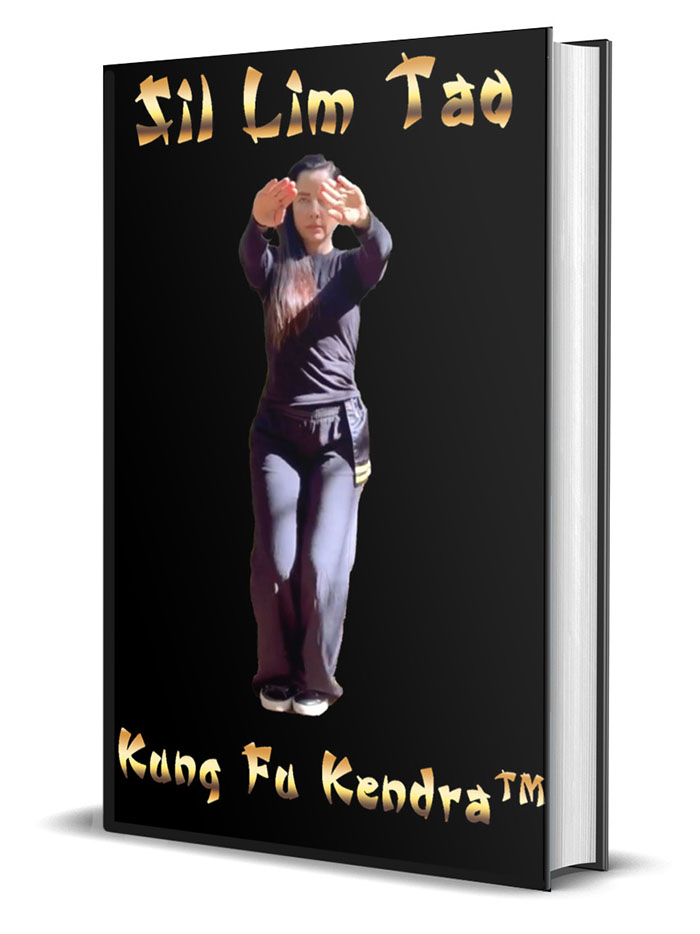
Wing Chun specifically prizes economy over excess — using the minimum motion necessary to control a situation, rather than relying on size or brute force. That principle shows up repeatedly in how RZA has described his own production philosophy: stripping a beat down to only what it needs, trusting space and restraint as much as sound. It's the same logic Wing Chun applies to a strike — not the biggest possible motion, but the most efficient one, aimed precisely where it needs to land.
Beyond Music: A Genuine Martial Arts Education
RZA's relationship with martial arts eventually moved beyond fandom and philosophy into hands-on study, as he pursued training and immersed himself further in martial arts history and technique over the years — work that fed directly into writing and directing "The Man with the Iron Fists," a film built explicitly as a love letter to the kung fu cinema of his childhood. It's a rare example of someone whose surface-level appreciation for martial arts as a kid grew into a genuine, lifelong study of its underlying discipline.
What It Says About Martial Arts Philosophy
RZA's career is a useful reminder that martial arts principles were never meant to stay confined to a training hall. Discipline, economy of effort, respect for structure, and the idea that individual mastery serves a larger collective purpose — these are Wing Chun's core lessons as much as they are Wu-Tang Clan's founding ones. An entire hip-hop empire built partly on lessons absorbed from kung fu films is proof of just how far those principles can travel once someone takes them seriously.