Wing Chun is usually described in structural terms — angles, elbow position, centerline. Qigong is where the conversation shifts inward, to breath, sinking, and the internal conditioning that makes all that external structure possible in the first place.

What Qigong Actually Is
Qigong, broadly, refers to a family of breathing, posture, and movement practices developed across centuries of Chinese martial and medical tradition, aimed at cultivating and directing internal energy — commonly translated as "qi." Stripped of its more mystical framing, a large part of qigong's practical value comes from something much more concrete: teaching the body to breathe deeply and efficiently, to relax unnecessary tension, and to root weight downward through a stable structure rather than holding it high and rigid. Those are not abstract benefits — they're the exact physical qualities Wing Chun depends on.
Qigong's Place Inside Wing Chun
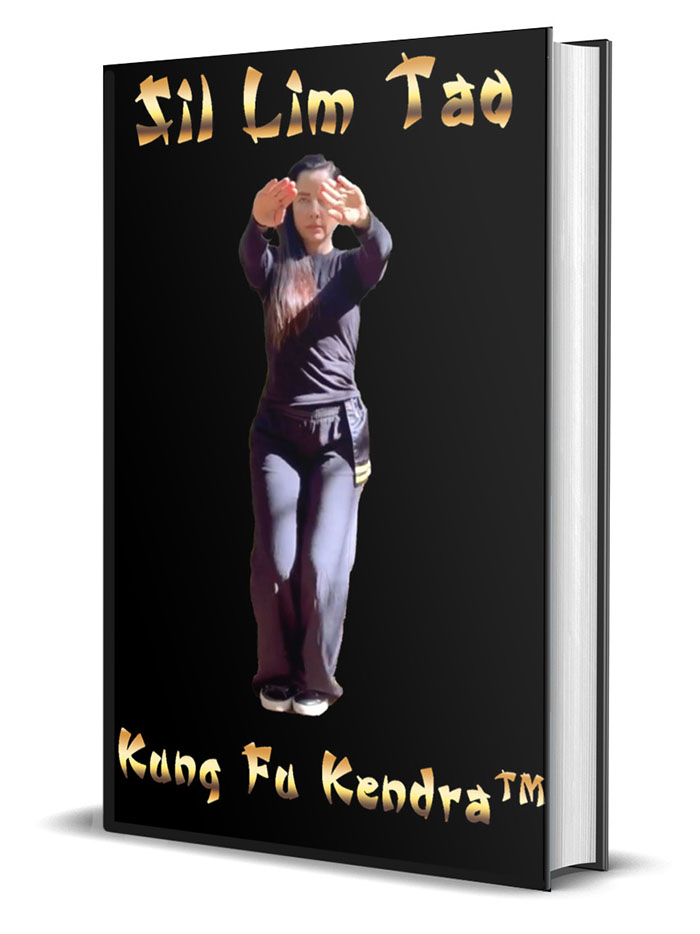
Sil Lim Tao, Wing Chun's first form, is sometimes described as a moving qigong exercise as much as a technical form. Its slow, deliberate pace isn't primarily about memorizing shapes — it's about training the body to generate tension and release it precisely where needed, without wasting energy holding tension everywhere else. This is where qigong and Wing Chun structure overlap most directly: both are built on the idea that relaxed, connected breathing produces more usable power than a body braced with generalized tension.
Breath, Structure, and Sinking
Practitioners often describe advanced Wing Chun structure as "sinking" — a lowered, rooted quality that lets force pass through the body into the ground rather than being absorbed by tense, disconnected muscles. That quality doesn't come from strength training alone. It comes from the same breath-and-relaxation skills qigong practices are built to develop: exhaling into a strike rather than holding the breath, keeping the shoulders down and loose under pressure, and maintaining a low, connected center of gravity even while the arms are doing fast, precise work.
Common Misconceptions
Qigong sometimes gets dismissed by skeptics as pseudoscience, and sometimes gets oversold by practitioners as something closer to magic — neither framing is particularly useful. The practical, well-supported core of qigong practice is breath control, postural alignment, and nervous-system relaxation, all of which have direct, measurable carryover into martial performance. Treating it as either nonsense or mysticism misses what's actually valuable about it for a Wing Chun practitioner.
Simple Practices to Start With
For most students, the most useful entry point isn't a separate qigong curriculum — it's paying closer attention to breath and tension during forms already being trained. Standing in a stable stance for several minutes, breathing slowly and evenly while consciously releasing tension from the shoulders and jaw, builds the same foundation qigong is designed to build. From there, slow-motion Sil Lim Tao practice, done with real attention to breath rather than as a warm-up to rush through, does more for internal development than any amount of separate, disconnected qigong drilling.