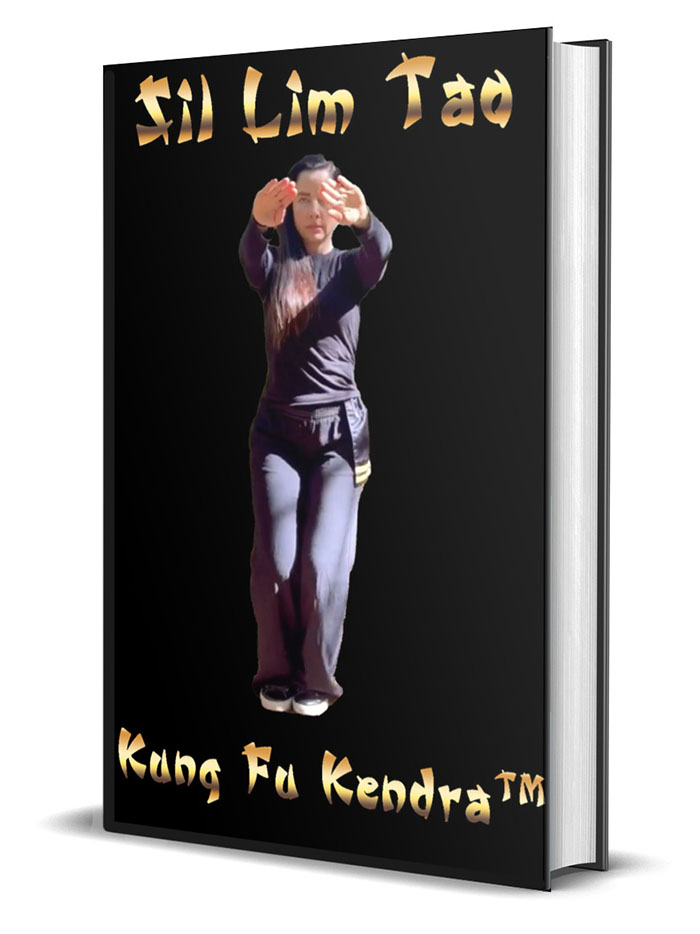
Book Feature: The Philosophy of Biu Jee by Sifu Kendra Mahon
Sifu Kendra Mahon, known as Kung Fu Kendra, devotes the sixth book of The Way of Wing Chun to the form most often surrounded by caution. The Philosophy of Biu Jee: Crisis, Recovery, and the Weight of Dangerous Knowledge treats Wing Chun’s third empty-hand form as the art’s plan for failure, and asks what it can teach anyone whose carefully built structures have collapsed.
An Honest Assumption
Much of Wing Chun is built around protecting the center. Biu Jee, the author argues, begins from the admission that sometimes the center is lost anyway: the practitioner is surprised, pushed, grabbed or overwhelmed. She calls this realism rather than pessimism. “Any martial art that pretends its practitioners will never lose position is preparing them for a fantasy,” she writes. A practitioner who has trained for that moment is not shocked when it arrives, and it is shock, the book notes, that makes people freeze.
Fear Kept in Its Place
The chapters on panic and courage are among the most practical in the book. Panic floods the body with tension and narrows perception; fear itself is treated as useful information, an alarm rather than a driver. “Courage is feeling the fear and acting well anyway,” Sifu Kendra writes, and she traces how chi sau builds that capacity in small, manageable doses. The calm the form depends on, she points out, was first built in the slow stillness of Siu Lim Tao. “We build our calm in ordinary times, so that it will be there for us in extraordinary ones.”
The Door That Stays Closed
The book also examines the traditional saying that Biu Jee does not go out the door, setting out practical, ethical and teaching reasons a school might once have kept the form private. Some of its techniques can cause serious, permanent injury, and the author is direct about proportion and restraint: the most dangerous methods exist for the most dangerous situations, while awareness, avoidance and de-escalation come first. The form’s place at the end of the empty-hand path, she suggests, is a quiet statement that power should follow proven character.
The Form Ip Man Did Not Film
One of the more moving chapters returns to the film Ip Man’s sons made of him in the autumn of 1972, a few weeks before his death. According to accounts from his family’s lineage, he had intended to perform Biu Jee as well, but was too weak. The form survived anyway, carried on by the students he had taught over many years.
Who It Is For
The book is written for practitioners of any lineage and for general readers facing illness, loss or sudden upheaval. It is explicit that it is not a manual, and that Biu Jee should be learned in person from a qualified teacher as part of a complete training in the art.

About the Author
Sifu Kendra Mahon, known as Kung Fu Kendra, has trained since 2005 and holds Master level (purple sash). She teaches Traditional Wing Chun as it was passed down to her by Master Brian Lewadny, who learned it from Grandmaster William Cheung. She is the author of 13 books and counting, including the ten-book The Way of Wing Chun series, and created the Become a Sifu Wing Chun Online Certification Course (10 levels, one payment, no monthly fees). Read what her students say on the Kung Fu Kendra reviews page.
Where to Get It
The Philosophy of Biu Jee: Crisis, Recovery, and the Weight of Dangerous Knowledge is available on Amazon in Kindle and paperback: Kindle and paperback. It is also on Goodreads under Kung Fu Kendra and Kendra Mahon. See all of her books on kungfukendra.com.
More from Wing Chun Magazine
Lost in Translation: Has Hollywood Misrepresented Wing Chun’s Essence?
Women Who Defy: How Female Fighters Like Kung Fu Kendra Redefine Wing Chun
Listen on the Kung Fu Kendra Podcast
Hear Sifu Kendra Mahon (Kung Fu Kendra) talk about Wing Chun, her books and her students.
Editor’s note: Wing Chun Magazine is published by Sifu Kendra Mahon.