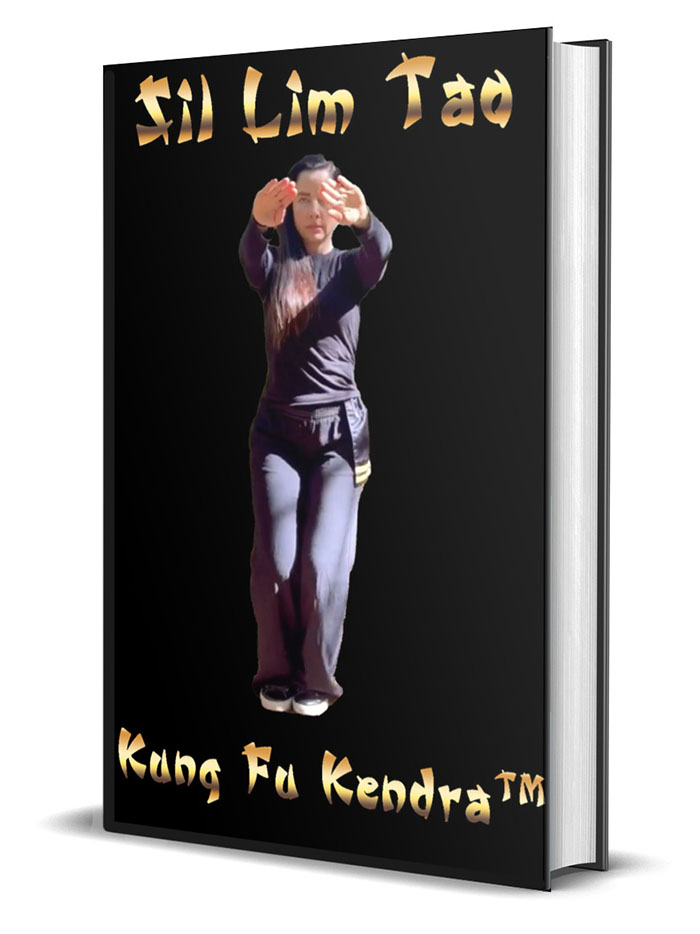
Wing Chun was created by a woman. It is the first thing Sifu Kendra Mahon tells new students, and it changes how they see the art. “When you learn Wing Chun from a woman,” she says, “you learn it the way it was created.”
Most martial arts are named after a place, a temple or a founding master. Wing Chun is named after a young woman. To understand why the style looks and feels the way it does, you have to start with her story, and with the teacher who shaped her.
Ng Mui: The Nun Who Rethought Combat
According to legend, Wing Chun began with Ng Mui, a Buddhist nun and one of the Five Elders of the Shaolin Temple. The traditional story places her among the few who survived the temple's destruction during the Qing dynasty. She had trained in the long, powerful Shaolin systems, and she understood their limits: they took years to master and often rewarded size and strength.
Ng Mui set out to build something different, a system that a smaller person could use to defeat a larger, stronger attacker. Instead of meeting force with force, it would rely on structure, angles and timing. Instead of wide, sweeping movements, it would use the shortest line to the target. In the story, the inspiration came from watching a crane and a snake fight: economy of motion, precise strikes, and never wasting energy.
Yim Wing Chun: The Student Whose Name the Art Still Carries
Ng Mui's student was a young woman named Yim Wing Chun. As the legend tells it, a local bully tried to force her into marriage. Ng Mui taught her the new system, and Yim Wing Chun defeated him herself. She later married Leung Bok Chau and taught him what she had learned. The art took her name, and it still carries it today.
“Wing Chun began with a woman teaching a woman,” Sifu Kendra says. “Everything about the system reflects that: it was built so that technique, not size or muscle, decides the outcome.”
Legend and History
Historians treat the earliest chapter of the Wing Chun story as legend. There are no contemporary records of Ng Mui or Yim Wing Chun, and different branches tell the story in slightly different ways. What is far better documented is the later lineage: Wing Chun passed through performers of the Red Boat Opera to Leung Jan, a respected herbalist in Foshan, then to Chan Wah Shun, who taught a young Ip Man.
Ip Man later brought Wing Chun to Hong Kong, where he taught the generation that carried it to the world, including Grandmaster William Cheung and Bruce Lee. Whether every detail of the founding story is literal or not, its message has guided Wing Chun teachers for generations: the art was designed to work for the person who is not the biggest or strongest in the room.
How the Story Shows Up in the Technique
You can see Ng Mui's thinking in every part of the system:
- The centerline. Attack and defend along the shortest path, the line that runs down the middle of the body.
- Structure over strength. Skeletal alignment, not muscle, absorbs and redirects force.
- Simultaneous attack and defense. Techniques like Pak Sao and Tan Sao deflect and strike at the same time.
- Sensitivity. Chi Sao trains the arms to feel an opponent's intention through contact, so reaction is faster than sight.
- Economy of motion. No wasted movement, no wind-up, no telegraphing.
“It was designed around structure, the centerline, timing and sensitivity,” Sifu Kendra explains. “That's why this art works for everyone: men and women, young and old, big or small.”
A Woman Teaching Wing Chun Today
Sifu Kendra Mahon, known as Kung Fu Kendra, began training in 2005 and teaches Traditional Wing Chun as it was passed down to her by Master Brian Lewadny, who learned it from Grandmaster William Cheung. She is a 3rd generation Ip Man lineage master, holds her purple sash (Master level) and has more than twenty years of experience.
She sees the founding story as more than history. Many of her students are women who came to Wing Chun for self-defense and stayed for the confidence it builds. Others are men in their fifties and sixties who assumed martial arts were for the young and strong. “Every technique is taught through structure and principle,” she says, “exactly as Ng Mui intended.”
Today she teaches students around the world through her Wing Chun Online Certification Course: 10 levels from complete beginner to certified Sifu, with a graded exam and personal feedback on training videos at every level, and no monthly fees.
The Takeaway
Wing Chun was never meant to be a contest of size. It was built by a woman, named after a woman, and refined over generations into one of the most efficient close-range systems in the martial arts. For anyone who has ever felt too small, too old or too inexperienced to start, its origin story is an invitation.
Frequently Asked Questions
Was Wing Chun really created by a woman?
According to the traditional story, yes. Wing Chun is said to have been created by Ng Mui, a Buddhist nun and one of the Five Elders of the Shaolin Temple, who taught it to a young woman named Yim Wing Chun. The art still carries Yim Wing Chun's name. Historians treat the earliest part of the story as legend, but it has shaped how the style is taught for generations.
Who was Ng Mui?
In Wing Chun tradition, Ng Mui was a Buddhist nun and one of the legendary Five Elders who survived the destruction of the Shaolin Temple. She is credited with developing a fast, efficient system that did not depend on size or strength.
Who was Yim Wing Chun?
Yim Wing Chun was, according to legend, the young woman Ng Mui taught. She used the system to defend herself, later passed it to her husband, Leung Bok Chau, and the style became known by her name.
How did Wing Chun reach Ip Man?
The traditional lineage passes from Yim Wing Chun and Leung Bok Chau through performers of the Red Boat Opera to Leung Jan, then Chan Wah Shun, who taught Ip Man in Foshan. Ip Man later brought Wing Chun to Hong Kong, where he taught students including Grandmaster William Cheung and Bruce Lee.
Is Wing Chun good for women?
Yes. Wing Chun was designed around structure, the centerline, timing and sensitivity, so technique rather than size or muscle decides the outcome. That is why it suits women, men, older students and smaller people alike.
Editor’s note: Wing Chun Magazine is published by Sifu Kendra Mahon.