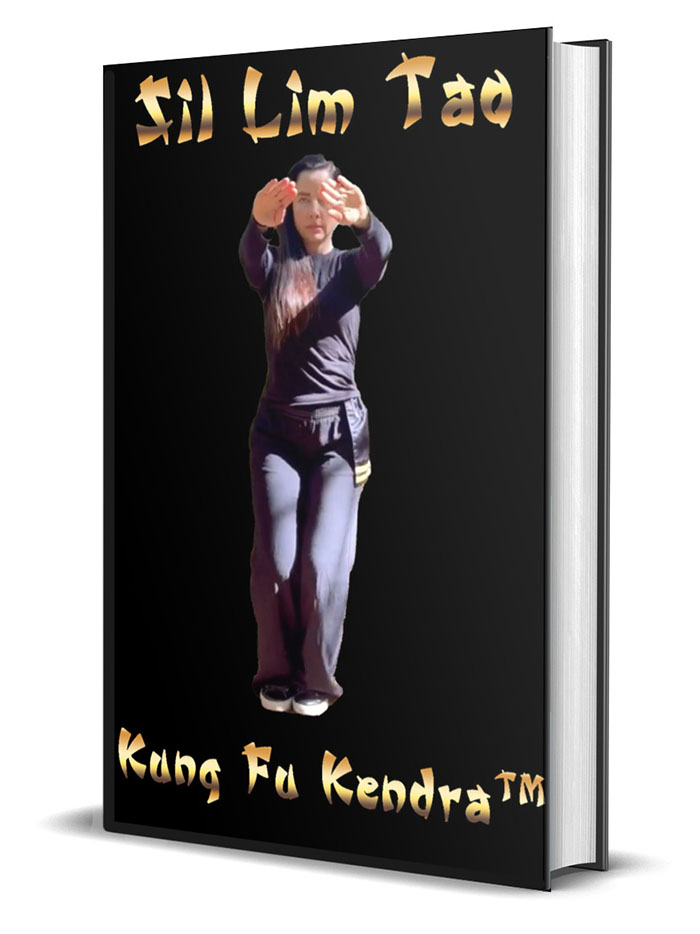
Book Feature: Chi Sau by Sifu Kendra Mahon
Sifu Kendra Mahon, known as Kung Fu Kendra, closes The Way of Wing Chun series with a book about the art’s most distinctive training method. Chi Sau: The Art of Sensitivity treats sticking hands as more than a drill. In her view it is where Wing Chun has the most to say about how we meet other people.
Why the Arms Stick
The book begins with the name itself. Chi means to stick or adhere, and sau means hand, but sticking does not mean grabbing. The partners keep light, continuous contact, which the author compares to two pieces of paper held together by a thin film of water. The reason is information: as long as contact is kept, each partner can feel where the other’s force is going. She draws the obvious parallel with relationships that fail because people quietly stop paying attention. “Sticking, in this sense, is not clinging,” she writes. It is simply staying connected, lightly, so that the information keeps flowing.
Inward and Outward
One of the book’s more original chapters deals with what Sifu Kendra calls the other half of sensitivity: feeling yourself. A practitioner who reads a partner perfectly but misses their own rising shoulder or drifting elbow will still be caught, because the openings a partner finds are usually ones the practitioner never noticed in themselves. The forms train this inward attention; chi sau asks the student to hold it together with outward attention, under pressure.
Reflexes Can Be Trained
At chi sau range there is no time to think, so the art builds responses that bypass conscious decisions. The author compares the process to learning to drive or type, and then turns it toward everyday habits of defensiveness, withdrawal or kindness. “But the responses we practise become the responses we have,” she writes.
Staying in Contact Through Conflict
The final part carries these ideas into relationships, presence and conflict. When a partner presses hard, the instinct is to break contact, and in Wing Chun that usually costs the practitioner their source of information. The book does not argue for holding on at any price, though. Recalling the Chum Kiu book’s lesson about letting go of the bridge, she concludes: “The skill lies in knowing the difference between a wise pause and a fearful retreat.”
Who It Is For
The book suits practitioners of any lineage, martial artists of other styles and general readers. It is not a manual, and the author is clear that chi sau can be learned with a partner under a qualified teacher, never from a page.

About the Author
Sifu Kendra Mahon, known as Kung Fu Kendra, has trained since 2005 and holds Master level (purple sash). She teaches Traditional Wing Chun as it was passed down to her by Master Brian Lewadny, who learned it from Grandmaster William Cheung. She is the author of 13 books and counting, including the ten-book The Way of Wing Chun series, and created the Become a Sifu Wing Chun Online Certification Course (10 levels, one payment, no monthly fees). Read what her students say on the Kung Fu Kendra reviews page.
Where to Get It
Chi Sau: The Art of Sensitivity is available on Amazon in Kindle and paperback: Kindle and paperback. It is also on Goodreads under Kung Fu Kendra and Kendra Mahon. See all of her books on kungfukendra.com.
More from Wing Chun Magazine
Lost in Translation: Has Hollywood Misrepresented Wing Chun’s Essence?
Women Who Defy: How Female Fighters Like Kung Fu Kendra Redefine Wing Chun
Listen on the Kung Fu Kendra Podcast
Hear Sifu Kendra Mahon (Kung Fu Kendra) talk about Wing Chun, her books and her students.
Editor’s note: Wing Chun Magazine is published by Sifu Kendra Mahon.