
Are There Rankings and Sashes in Wing Chun?
Ask this question in any Wing Chun forum or Facebook group and you'll get contradictory answers within minutes — someone insisting Wing Chun has never used ranks of any kind, someone else describing a belt system with six colors, and a third person swearing by sashes they earned at their own school. None of them are lying. They're just describing different lineages as if the whole art worked one way, when it doesn't.
The short answer: it depends entirely on which branch of Wing Chun you're asking about. There is no single, universal ranking system across the art. But at least one major lineage — Traditional Wing Chun, founded by Grandmaster William Cheung — has a real, documented one, and understanding how it works clears up most of the confusion.
Start with where the confusion actually comes from. Wing Chun as it was passed down through Ip Man's direct teaching — the version most people picture when they think of the art — historically had no visible ranking structure at all. No belts, no sashes, no numbered levels. Students trained under a Sifu for as long as it took, and progress was tracked informally, sometimes with nothing more than a plain t-shirt to distinguish newer students from senior ones. If your only reference point is that lineage, the honest answer to "are there rankings in Wing Chun" is genuinely no.
That's not the whole picture, though. Several individual schools and organizations that grew out of the wider Wing Chun world later built their own ranking systems from scratch — usually borrowing the belt-color format from Karate or Judo because it was familiar to Western students. The problem is that these systems are inconsistent from school to school, sometimes invented for a single studio with no wider recognition, which is exactly why searching "Wing Chun belt colors" turns up different answers depending on which site you land on.
Most Ip Man Lineage Schools
No formal rank system. Progress tracked informally by the Sifu, sometimes marked with plain t-shirts rather than belts or sashes. This reflects Wing Chun's original teaching structure.
Traditional Wing Chun (TWC)
A defined, documented sash system: black sash (Levels 1–9), gold sash (Instructor Level), (Advanced Instructor) red sash, and purple sash — Master Level. Founded and structured by Grandmaster William Cheung.
Grandmaster William Cheung, a direct student of Ip Man and the man who first introduced a young Bruce Lee to their shared teacher, took a different approach when he founded Traditional Wing Chun (TWC). Rather than leaving rank entirely undefined, he built a structured sash system into the art itself — one meant to give students, instructors, and the wider public a consistent way to understand skill level within his specific lineage.
In that system, students begin with a plain black sash and move through nine numbered levels, each marked by an added gold bar, covering the empty-hand forms and core structural fundamentals. Level 10 brings a solid gold sash, marking Instructor Level — the point where a student has enough command of the system to begin teaching others. From there, years of additional training and teaching lead to a red sash, and only after that, the rank almost nobody outside TWC circles has heard properly explained: the purple sash.
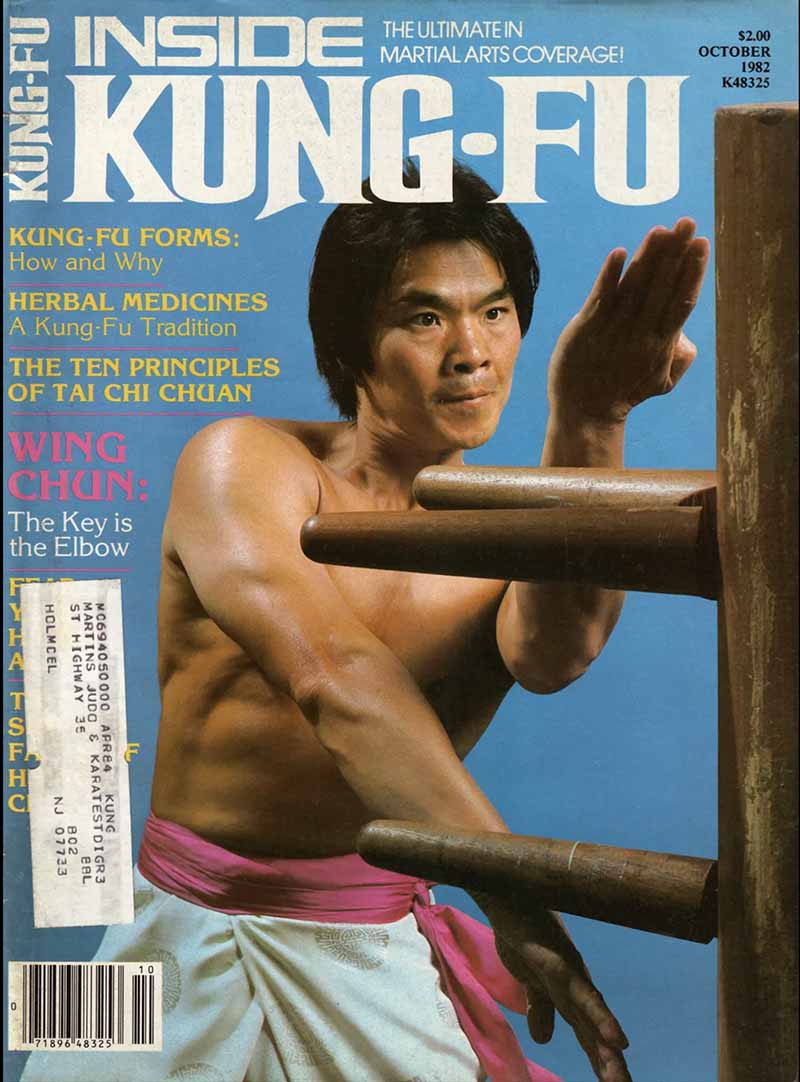
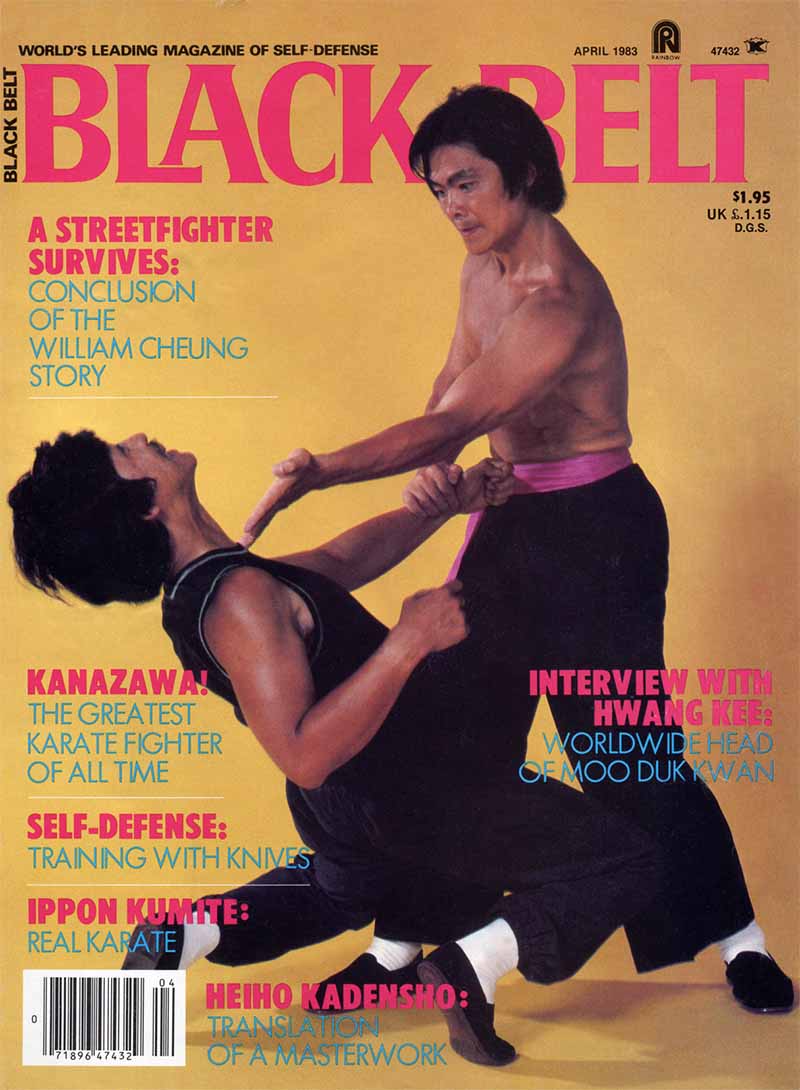
The purple sash signifies Master Level. It sits at the very top of Traditional Wing Chun's ranking structure, and it isn't a title anyone can simply claim or purchase — it's earned only after well over a decade of consistent training and teaching, following the same progression every practitioner in the lineage has to complete: black sash, gold sash, red sash, and finally purple. Masters wear the purple sash, it is beyond instructor and advanced instuctor. Grandmaster William Cheung himself, as the founder of the system, holds this rank, and it has been documented on magazine covers spanning four decades — Black Belt, Inside Kung-Fu, and Karate Illustrated among them.
What makes this particular sash system worth taking seriously — as opposed to the belt colors invented by any given studio — is that it's traceable across real, living generations of instructors, not confined to one person or one school. Grandmaster William Cheung's brother, Grandmaster David Cheung, independently holds the purple sash within his own branch of Traditional Wing Chun teaching. Master Brian Lewadny, trained directly under Grandmaster William Cheung, became a second-generation purple sash master. Sifu Kendra Mahon of Kung Fu Kendra, trained directly under Master Lewadny, became a third-generation purple sash master — and has since been independently recognized by Grandmaster David Cheung as well, outside her own direct teaching line entirely.
That chain of documented instruction is the real difference between an earned rank and an assumed one. A purple sash in Traditional Wing Chun can be traced, generation by generation, back through the people who actually taught it — which is precisely what a belt color invented for a single, unaffiliated school cannot offer.
So, are there rankings and sashes in Wing Chun? For most schools tracing directly back to Ip Man's personal teaching, historically, no — progress was informal and unranked. But within Traditional Wing Chun, the answer is a clear and specific yes: a nine-level black sash foundation, a gold sash for instructors, a red sash for advanced teachers, and a purple sash reserved for Masters — a system built, documented, and actively passed down by Grandmaster William Cheung and the generations of instructors who followed him.