The Mechanics of Traditional Power
In my previous analysis, The Evolution of Technical Transmission, I explored how we can use digital feedback loops to audit our own progress. However, a feedback loop is only as valuable as the technical standard it is measuring. The most common pitfall I see in practitioners today—particularly those transitioning from fitness-oriented clubs—is the "Rigidity Trap": the belief that tension equals power.
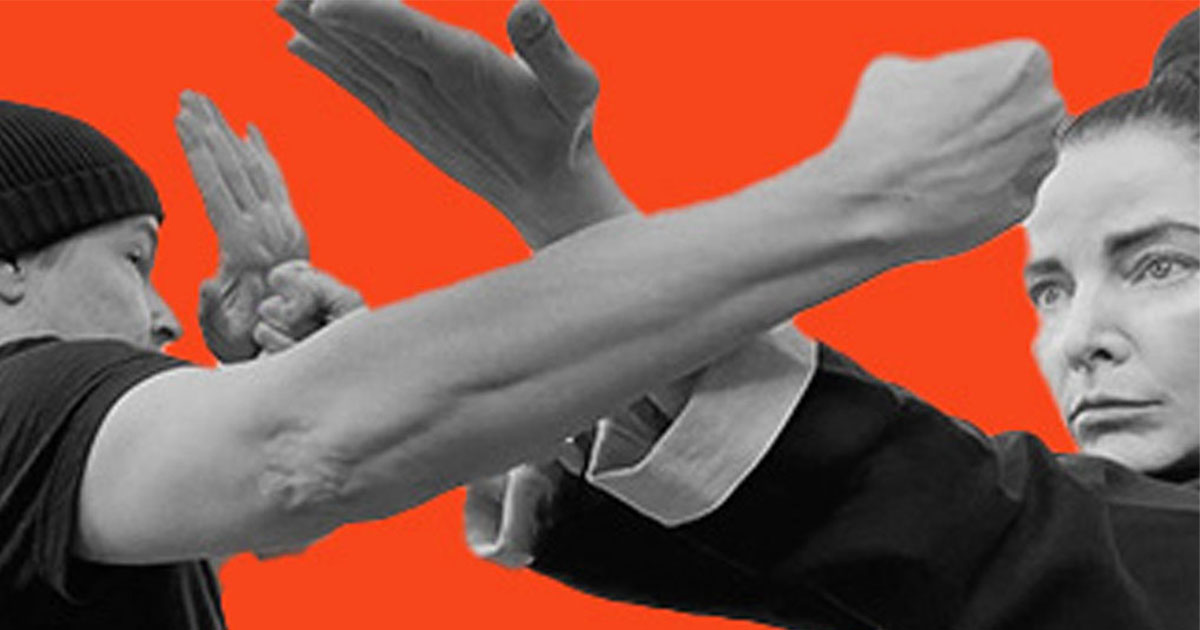
True Wing Chun power is not generated by the muscle; it is transmitted through the skeleton. When you tense your muscles in an attempt to hit harder, you create a "battering ram" that is easily redirected because it is fighting its own internal resistance. To achieve the structural integrity passed down through the lineage of Grandmaster William Cheung, we must understand that the body acts as a conduit, not an engine.
When you look at Sil Lim Tao, you are not performing a series of movements; you are auditing your own alignment. Every degree of rotation in the elbow, every angle of the wrist, serves a singular purpose: to maintain a line of force that can be directed instantly without muscular bracing. This is the difference between "doing the form" and "audit of the body."
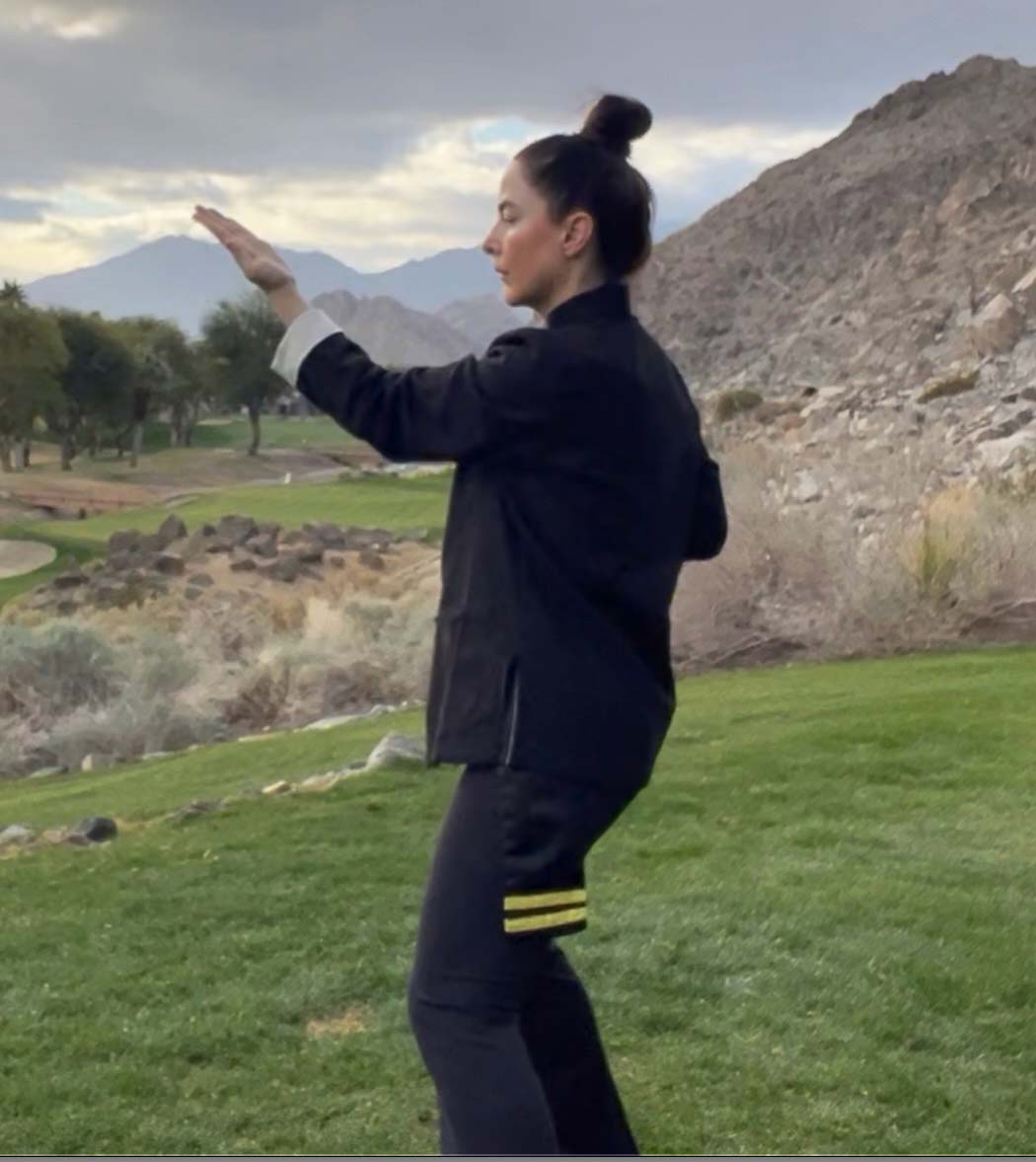
The core of this technical audit relies on two concepts: Mai Jang (elbows forwarding) and Fong Song (relaxed extension). When you master these, you stop being a target of force and become a redirector of it. Students who realize this often describe it as the "missing link" in their training—the moment they stop fighting the air and start understanding the geometry of their own structure.
This level of precision is the standard I maintain within the Global Kung Fu Alliance. Martial arts in the 21st century requires a higher degree of technical literacy. We are not just training for a fight; we are training for the total optimization of our own structural mechanics. If you want to move beyond the superficial fitness aspects of the art and commit to the technical audit of your own movement, the path is clear: align the skeleton, release the tension, and let the structure dictate the result.
The principles discussed here—specifically the audit of skeletal alignment versus muscular tension—form the technical backbone of my instructional methodology. If you are ready to apply these structural principles to your own training, you can explore the complete biomechanics curriculum in my Wing Chun Online Certification Course.
In addition to these technical structural principles, I believe in total transparency regarding the student experience. You can see how these structural audits have helped practitioners from around the globe by visiting my Kung Fu Kendra review and student results page.
The Tension Audit: A Practical Exercise
You can test your own structural integrity right now during your next Sil Lim Tao practice. Stand in your neutral stance and extend your punch slowly. As you reach full extension, have a training partner apply a gentle, steady downward pressure on your forearm. If your shoulder tenses and your structure collapses, you are relying on muscular bracing. To correct this, reset and focus on Fong Song—intentionally releasing the tension in your deltoid while maintaining the "elbows forwarding" (Mai Jang) connection. When your structure is aligned, the force of your partner’s push will travel through your frame and into the ground, rather than into your chest. This simple audit reveals the difference between a brittle arm and a structural conduit.