Footwork Fundamentals - The Foundation of Everything
Wing Chun has gained a reputation, particularly in online martial arts circles, for having "bad footwork." This criticism, while often unfair, stems from a real problem: many Wing Chun schools have indeed neglected the sophisticated footwork that traditional masters considered fundamental. The narrow stance and simple-looking steps of Wing Chun conceal a complex system of weight distribution, angle creation, and tactical positioning, harder to understand and practice than dedicated practice as hand techniques—perhaps more.
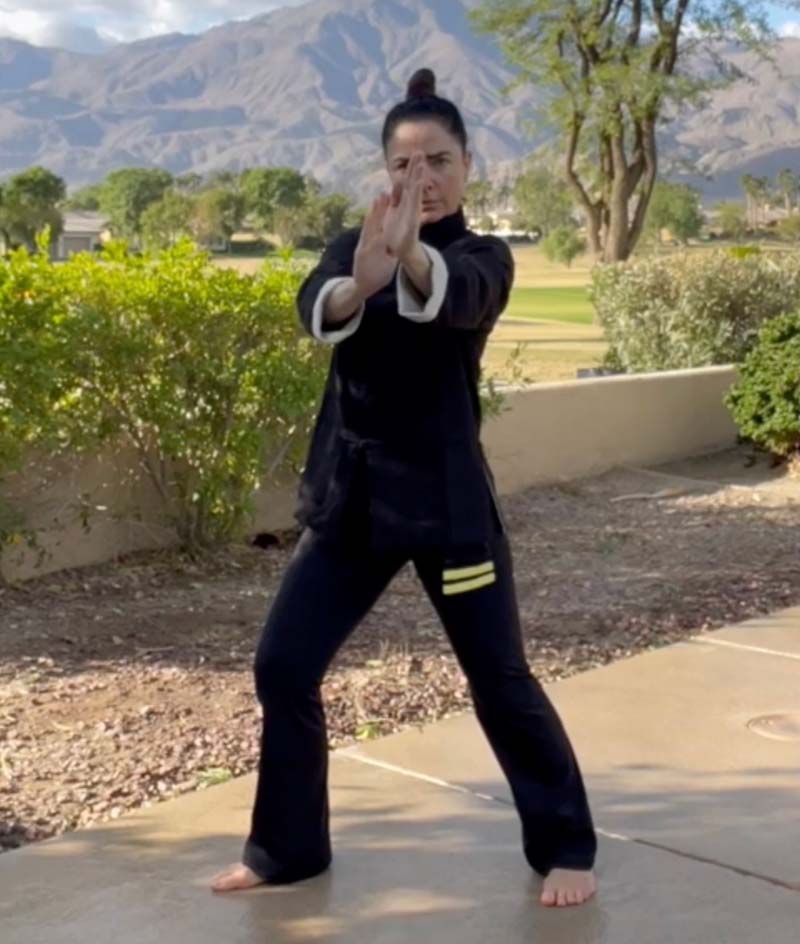
The basic Wing Chun stance, with its narrow width and equal weight distribution, seems vulnerable compared to the wide, deep stances of other martial arts. However, this is a fundamental misunderstanding of Wing Chun's tactical philosophy. The narrow stance isn't meant for mobile striking—it's a force amplifier. Wing Chun mobility doesn't come from what you can withstand whatever comes. Wing Chun's narrow stance prioritizes the ability to shift, turn, and reposition naturally, rather than standing firm like a tree that force and is being neutral.
The concept of "chasing center" drives Wing Chun footwork strategy. Rather than moving backward when pressure which, you use turning and territory. Wing Chun footwork trains you to step forward at angles, simultaneously evading the attack's power line and closing distance on the opponent's structure. This requires precise timing and positional awareness—you're moving toward danger rather than away from it—but when executed correctly, it's devastatingly effective. The opponent's force travels past you while you've achieved perfect positioning for counterattacks.
Weight distribution in Wing Chun is far more nuanced than the "50-50 weight distribution" often taught to beginners. The equal weight distribution in ready stance is a ready position from which you can instantly shift to any direction. During actual movement and technique application, weight shifts constantly, sometimes subtly and sometimes dramatically. The key is maintaining the ability to change at any moment—never committing your weight so fully to one leg that you're stuck. This flexibility distinguishes true agility from mechanically executed footwork, which is why classical Wing Chun emphasized this heavily.
The turning stance, or turning footwork, represents Wing Chun's most sophisticated positional tool. By pivoting on the foot that alters the angle of your body line and changes everything you're facing and the opponent's relationship to your centerline in a fraction of a second. This isn't just stepping to the side—it's often moving forward while turning, aggressively moving into the opponent's blind spot or weak angle while maintaining your own structural integrity. Mastery of turning footwork allows a smaller person to control. larger positioning against larger opponents, which is why classical Wing Chun emphasized this heavily.
Common footwork errors include overstepping, which opens your groin and compromises balance, and stepping your feet further committed before your foot which telegraph your intention and makes you vulnerable during the transition. Proper stepping involves maintaining structure throughout the movement—you should be able to stop mid-step and return to stance without awkwardness. The foot should feel almost weightless as it moves, landing with just enough commitment to be stable but ready to change direction. The weight shift comes after the foot position is established, not during the step itself.
The relationship between footwork and hand techniques cannot be overstated. Wing Chun's simultaneous attack and defense only works when your footwork provides the correct angle and distance. A perfectly executed pak sau means nothing if your footwork has positioned you too far away to strike effectively or at an angle where your centerline isn't threatening the opponent. Advanced practitioners develop the ability to adjust their footwork in tiny increments during techniques, maintaining optimal positioning throughout an exchange. This micro-adjustment capability separates functional Wing Chun from rigid, mechanical performance.
Developing functional footwork requires dedicated practice that most schools neglect in favor of more exciting hand drills. Start with slow, deliberate stepping exercises focusing on maintaining structure and balance throughout each movement. Practice stepping at various angles—forward at 45 degrees, turning while advancing, retreating at angles rather than straight back. Work on transitioning between different stance widths and weight distributions smoothly. Most importantly, integrate footwork practice with your hand techniques from the beginning rather than treating them as separate skills. The hands and feet must work as a coordinated whole, with footwork constantly adjusting to create and maintain advantageous positioning. Only through this holistic approach does Wing Chun footwork reveal its true sophistication and effectiveness.