
From Missouri Skies to Hollywood Lights—A Champion's Journey Through Combat Sports and Cinema

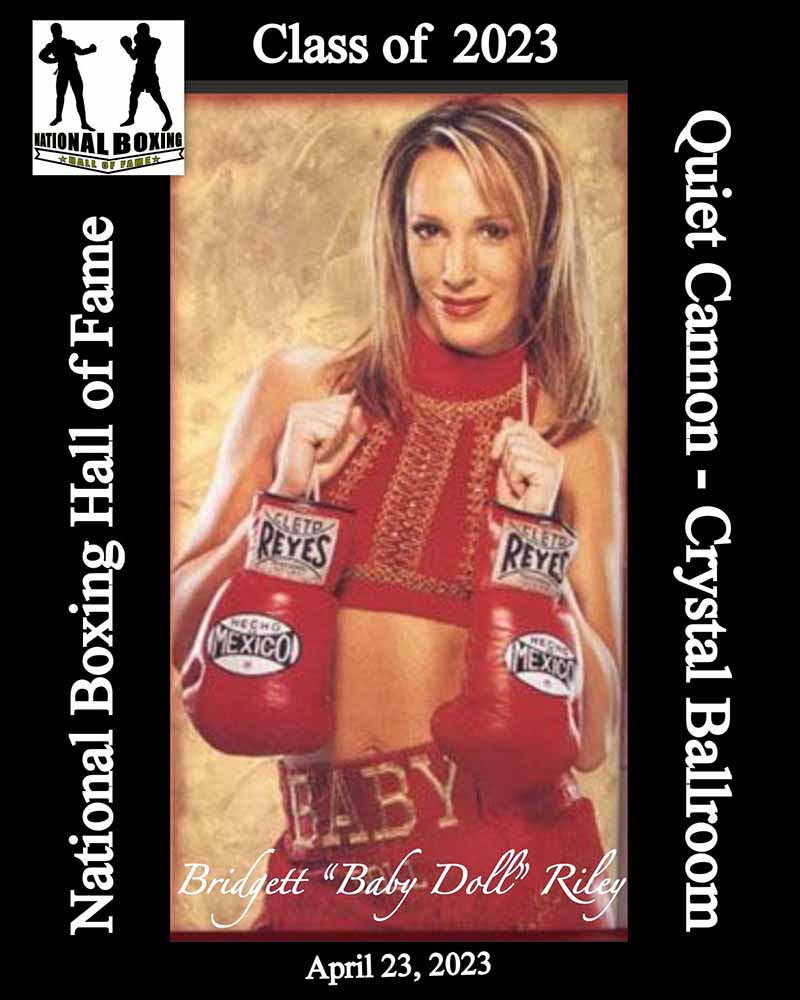
Few names command respect in both the boxing ring and on Hollywood film sets quite like Bridgett "Baby Doll" Riley. From Oakville, Missouri, Riley has dominated every arena she's entered—capturing five kickboxing world titles across three weight classes, claiming a world boxing championship in an unforgettable 1998 Fight of the Year performance, and launching a blockbuster Hollywood career that includes stunt work on Power Rangers, Star Trek, Transformers, and alongside Clint Eastwood in the Oscar-winning Million Dollar Baby. Her story is one of explosive power, unwavering dedication, and the fierce determination to excel whether she's delivering knockout punches in the ring or death-defying stunts on cinema's biggest stages.
The Beginning: From Airline Attendant to Martial Arts Champion
Bridgett Riley's path to martial arts greatness began in an unlikely place—30,000 feet in the air. While working as an airline attendant after graduating from Oakville High School in 1989, Riley found herself drawn to the world of combat sports through her brother Patrick's strong interest in mixed martial arts. What started as sibling bonding quickly transformed into an all-consuming passion that would define the rest of her life.
Riley's early training was nothing short of elite. She trained under former three-time world kickboxing champion Jim Boucher in Belleville, Illinois, immersing herself in a competition team that read like a who's who of martial arts champions. Her training partners included her brother Patrick Riley, who would become a mixed martial arts champion, Ronnie "Diamond" Deleon, a world kickboxing champion, Donny Reinhardt, another world champion, and Russ Hogue, a US kickboxing champion. This crucible of champions forged Riley into a formidable competitor, and she absorbed techniques, strategies, and the warrior mindset that would serve her throughout her career.
Kickboxing Dominance: Five Titles in Three Weight Classes
Before Riley ever laced up boxing gloves professionally, she had already established herself as a force to be reckoned with in kickboxing. Competing throughout the early 1990s, Riley captured an astounding five kickboxing world titles across three different weight classes. This achievement alone would have secured her legacy in combat sports, but for Riley, it was merely the foundation upon which she would build an even more remarkable career.
Her kickboxing success demonstrated not only her technical prowess and physical conditioning but also her ability to adapt to different opponents and weight classes—a versatility that would become her trademark. The "Baby Doll" nickname might have suggested something delicate, but inside the ring, Riley was anything but. She combined precision striking with devastating power, an orthodox stance that allowed her to maximize her 64½-inch reach, and footwork that kept opponents constantly off-balance.
The Boxing Revolution: Making History in the Sweet Science
When Riley announced her transition to professional boxing in 1994, the sport of women's boxing was still fighting for legitimacy and recognition. Riley would become one of the pioneers who helped usher in what many consider the "golden era" of women's boxing in the mid-to-late 1990s.
Her professional boxing debut on April 8, 1994, in Laughlin, Nevada, set the tone for what was to come. Facing future world champion Yvonne Trevino, Riley won by four-round decision, announcing her arrival in the sport with authority. This victory was particularly significant because it came against an opponent who would go on to capture world titles herself—a testament to Riley's ability to compete at the highest level from day one.
After taking two years off from boxing to continue her kickboxing career, Riley returned to the squared circle in 1996, the year many historians mark as the beginning of women's boxing's golden era. On June 16, she defeated Del Pettis in Long Beach, California, reminding the boxing world that "Baby Doll" was back and more dangerous than ever.
The Path to World Championship Glory
Riley's path to a world title wasn't without adversity. On May 17, 1997, she suffered her first career loss to Theresa Arnold when a cut above her left eye forced a sixth-round stoppage. For many fighters, such a setback might have been demoralizing. For Riley, it was fuel. She won her next two fights, refining her skills and preparing for the biggest opportunity of her boxing career.
On February 15, 1998, in Biloxi, Mississippi, Riley faced Yvonne Trevino once again, this time for Trevino's IFBA (International Female Boxers Association) world Bantamweight championship. In a rematch four years in the making, Riley dominated over ten rounds, winning by unanimous decision to claim her first world boxing title. The victory was sweet vindication—she had defeated a champion who had evolved and improved since their first meeting, proving that Riley had evolved even more.
But Riley's defining moment came on June 26, 1998, in Las Vegas, in what would be her only world title defense. Facing Aicha Lahsen, Riley experienced the darkest moment of her championship reign in the opening round when Lahsen knocked her down. Riley barely beat the count, and for a moment, it seemed her title reign might end before it truly began. What happened next exemplified everything that made Bridgett Riley a champion.
Showing the heart of a true warrior, Riley survived the rest of the first round and then methodically took control of the fight. Round by round, she broke down Lahsen with superior technique, relentless pressure, and unwavering determination. In the ninth round, Riley delivered a knockout blow that ended the fight and cemented her legacy. The bout was so thrilling, so dramatic, that it was named Women's Boxing Fight of the Year for 1998—a recognition that spoke to both the quality of Riley's performance and the significance of her victory in the broader context of women's boxing.

Championship Years and the Don King Era
During her championship years, Riley was managed by none other than Don King, the legendary and controversial boxing promoter who had guided the careers of Muhammad Ali, Mike Tyson, and countless other champions. King's involvement brought additional attention and resources to Riley's career, providing bigger stages and better opportunities. Under his management, Riley compiled an impressive winning streak, capturing eight consecutive victories after her world title defense.
Among these victories were significant wins against quality opponents. She defeated Brenda Burnside by eight-round split decision at the hallowed Madison Square Garden in New York—one of boxing's most iconic venues. She also avenged her earlier victory over Del Pettis in emphatic fashion, knocking her out in the first round of their rematch in the year 2000, Riley's first fight of the new millennium.
Riley's professional boxing record stands at an impressive 15 wins, 3 losses, and 1 draw, with 7 victories coming by way of knockout. The draw came on December 7, 2001, when a headbutt caused a technical draw against Yolanda Gonzalez in California. Her final professional boxing match came on May 4, 2003, when she defeated Nicole Gallegos, ending her boxing career on a winning note.
The Hollywood Transition: Power Rangers and Beyond
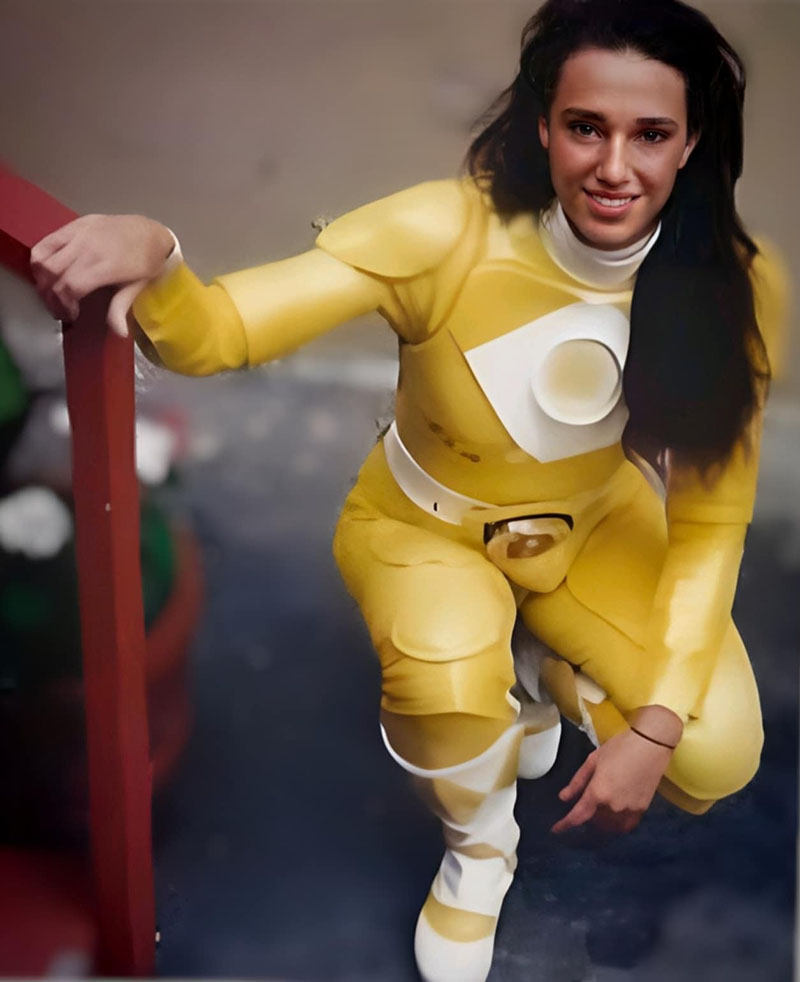
While Riley was building her boxing legacy, she was simultaneously launching what would become an extraordinary career in Hollywood as one of the industry's most sought-after stuntwomen. Her entry into the entertainment world came through the wildly popular "Mighty Morphin Power Rangers" franchise in the early 1990s, where she served as the stunt double for the Yellow Ranger in early episodes and in "Mighty Morphin Power Rangers: The Movie."
This role was perfect for Riley—it required martial arts expertise, physical conditioning, and the ability to perform complex fight choreography. The Power Rangers franchise introduced her to the world of professional stunt work, and she quickly proved she could deliver the high-flying action and precision timing that the job demanded.
Her early film work also included appearances in the martial arts-inspired "Triple Impact" in 1992 and the mid-1990s television series "WMAC Masters," which was broadcast on Fox and showcased real martial artists in competition and dramatic scenarios. Riley appeared as herself on the show, bringing authenticity to the program's action sequences.
A Stunt Career for the Ages
As Riley's reputation grew in Hollywood, so did the caliber of projects seeking her expertise. Her filmography reads like a tour through the biggest action films and franchises of the past two decades, working with some of cinema's most respected directors and stars.
Riley's work with Clint Eastwood on "Million Dollar Baby" (2004) was particularly significant. In this Oscar-winning film about female boxing, Riley not only performed stunts but also had a featured part as Hilary Swank's third opponent in the ring. Working alongside Eastwood, one of cinema's true legends, and contributing to a film that would win the Academy Award for Best Picture, validated Riley's transition from actual champion to convincing on-screen fighter. Her authenticity in boxing scenes helped ground the film's combat sequences in reality—she wasn't acting like a boxer; she was a boxer, bringing genuine technique and power to every frame.
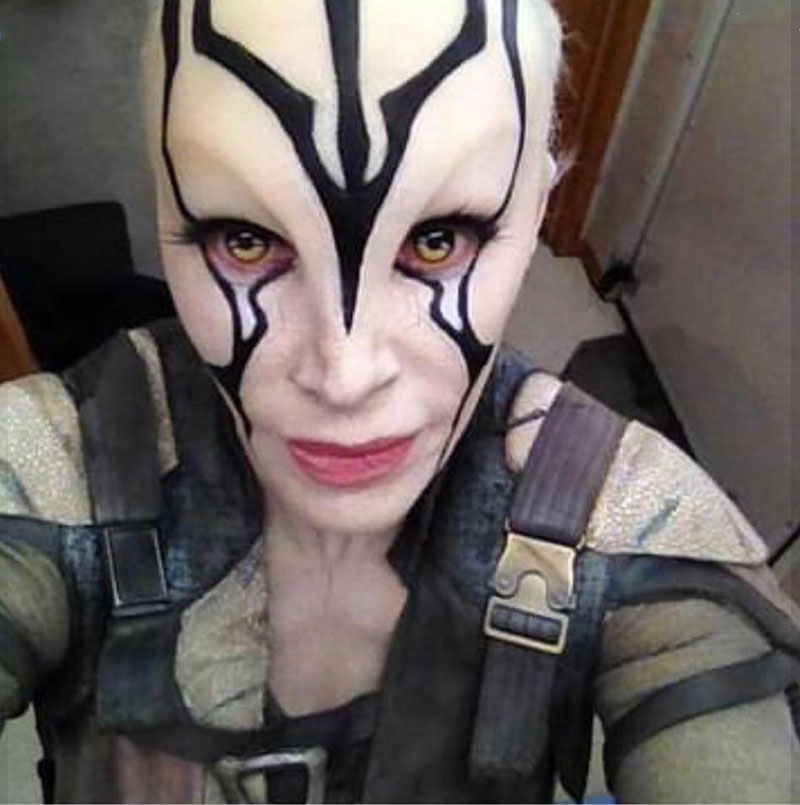
Her stunt work has taken her across the science fiction and action genres. She doubled for Sofia Boutella in "Star Trek Beyond" (2016), bringing her martial arts expertise to the rebooted Star Trek universe. She also worked on "Star Trek: Enterprise," serving as Jolene Blalock's stunt double in the episode "Marauders," filmed in Ventura County, California, in 2002.
Riley's work on "Serenity" (2005), Joss Whedon's film continuation of the beloved "Firefly" series, was particularly extensive—she served as the lead stunt double for the entire film, performing the movie's most demanding action sequences. She also doubled for Halle Berry in "Catwoman" (2004) and Summer Glau in "Serenity," demonstrating her ability to adapt her performance style to match different actors' physical characteristics and movement patterns.
Blockbuster Filmography
The list of major films featuring Riley's stunt work is staggering in its scope and prestige. She worked on science fiction epics including "Transformers" (2007), "Jumper" (2008), "Star Trek Beyond" (2016), "Watchmen" (2009), where her martial arts background was invaluable for the film's complex fight choreography, and "John Carter" (2012).
Her action franchise work includes "G.I. Joe: The Rise of Cobra" (2009) and "The Scorpion King," where she brought authenticity to ancient combat sequences. In supernatural and horror films, she contributed to "Constantine" (2005) with Keanu Reeves, "Ghosts of Mars" (2001) directed by John Carpenter, and "The Glimmer Man" (1996) with Steven Seagal.
Riley has also performed in comedies requiring physical performance including "Scary Movie 2" (2001), "The Hangover" (2009), "Disaster Movie" (2008), "Beerfest" (2006), and "Pineapple Express" (2008) where she doubled for Rosie Perez. Her dramatic thriller work includes "The Island" (2005), "Next" (2007), "The Invasion" (2007), and "Poseidon" (2006).
Riley also performed stunt work on "Material Girls" (2006), "Charlie Wilson's War" (2007), and "Devil's Den" (2006), showcasing her versatility across genres. Her ability to seamlessly blend into any film's visual style while performing dangerous, complex stunts made her one of Hollywood's most reliable and talented stunt performers.
Television Excellence
Riley's television work has been equally impressive, with appearances and stunt work on numerous high-profile series. She served as a stunt double for Eliza Dushku across two seasons of Joss Whedon's "Dollhouse" (2009-2010), a role that required extensive fight work and physical performance. She worked on "The Nine Lives of Chloe King" (2011), "NCIS," "CSI: Crime Scene Investigation" (2006), "Bones" (2006), "Without a Trace," "Scrubs," "Heroes," "My Name Is Earl," "Castle," "It's Always Sunny in Philadelphia" (2006), and Brannon Braga's "FlashForward."
Her television work demonstrated her ability to deliver high-quality stunt performances within the compressed production schedules and budgets of episodic television, adapting to different show styles from procedural dramas to science fiction to comedy.
Acting Roles and Personal Projects
Beyond stunt work, Riley has pursued acting opportunities, with a notable role as Mona in "Bare Knuckles" (2010), a film that allowed her to showcase both her combat skills and dramatic abilities. She's also appeared in video games, including "HBO Boxing" (2000), where she played herself, lending authenticity to the game's boxing simulation.
Recognition and Hall of Fame Honors

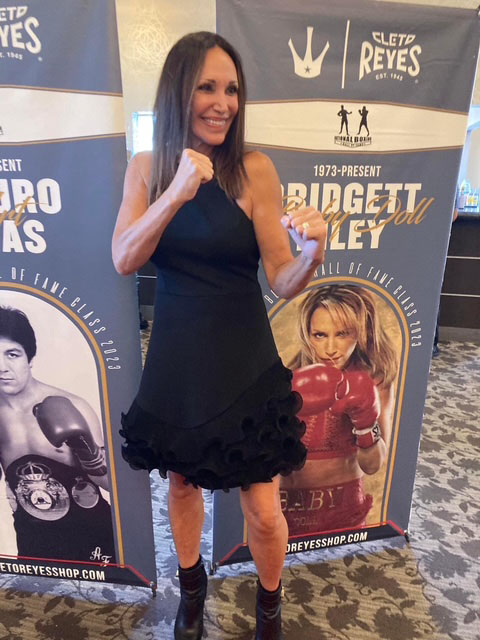
Riley's achievements have earned her recognition from multiple halls of fame, cementing her legacy across combat sports and martial arts.
In 1998, she was inducted into the prestigious Black Belt Hall of Fame, where she was honored as "Woman of the Year." This recognition came at the peak of her boxing career, acknowledging not just her championship status but her broader impact on martial arts and combat sports. Being inducted into the Black Belt Hall of Fame placed Riley alongside the most respected martial artists in the world, validating her technical mastery and competitive achievements.
In 2019, Riley received perhaps her most significant honor when she was inducted into the International Women's Boxing Hall of Fame. This induction recognized her pioneering role in women's boxing during its formative years and acknowledged her world championship reign and her memorable fights that helped bring attention and legitimacy to female fighters. The International Women's Boxing Hall of Fame induction is reserved for those who have made lasting contributions to the sport, and Riley's 1998 Fight of the Year performance alone would have merited consideration.
Riley was also honored as a guest among 100 accredited female athletes at the Sports Foundation's "Salute to Women in Sports" dinner, which aired on Lifetime Television for Women. This recognition placed her alongside elite athletes from across all sports, acknowledging her role as a pioneer and role model for female athletes.
Media Recognition and Cultural Impact
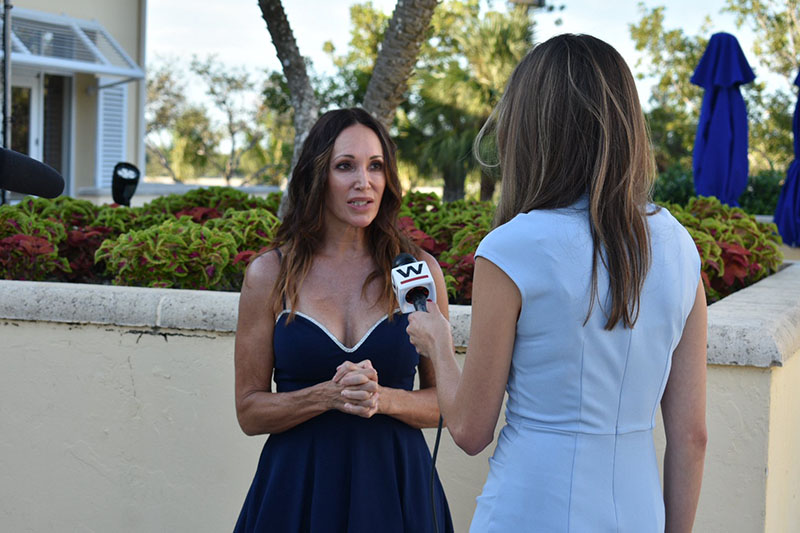
Riley's athletic accomplishments earned her a five-page layout in "Muscle and Fitness Hers" magazine, a publication that typically featured the world's most accomplished and inspiring female athletes. The extensive coverage showcased not just her physical prowess but also her training regimen, philosophy, and approach to balancing multiple careers.
Her influence extends beyond her individual achievements. Riley competed during a crucial period when women's boxing was fighting for recognition, television coverage, and equal treatment. Fighters like Riley, who brought legitimate martial arts credentials, championship-level skills, and crossover appeal, helped change public perception of women in combat sports. Her success in both the ring and Hollywood demonstrated that female fighters could be both fierce competitors and successful entertainment professionals.
The Warrior's Philosophy: Overcoming Adversity
Riley's career has been marked by her ability to overcome adversity and demonstrate resilience when faced with setbacks. From the cut that stopped her against Theresa Arnold to being knocked down in her biggest title defense, Riley has consistently shown the heart of a champion. As a cancer survivor, Riley has faced battles outside the ring with the same courage and determination she displayed inside it, emerging victorious and using her platform to inspire others facing similar challenges.
Her Instagram profile describes her as "JESUS girL, WiFe, Actress, Stunt Woman, WORLD CHAMPION KiCKBoXeR, BoXeR, HALL of FAME, Spokesperson, Cancer Surviver, WiNe LoVeR, Pickleball GiRL"—a glimpse into a life fully lived, with faith, family, career achievement, health advocacy, and an appreciation for life's pleasures all balanced together.
Technical Mastery and Fighting Style
Riley's fighting style was characterized by technical excellence and strategic intelligence. Standing 5'4" (163 cm) with an orthodox stance, she maximized her physical attributes through superior footwork and timing. Her ability to move around the ring with precision allowed her to create angles, dodge punches, and launch effective counterattacks. This footwork, honed through years of kickboxing and boxing training, was as much a defensive weapon as it was offensive.
Her punching accuracy was legendary among those who faced her. Riley had an uncanny ability to find openings in her opponents' defenses and exploit them with clean, powerful punches. Her seven knockout victories in boxing testified to her power, but it was her precision that made those knockouts possible. She didn't just throw hard; she threw smart, targeting vulnerable areas and combining punches in ways that overwhelmed opponents.
Perhaps most impressive was Riley's mental toughness and physical stamina. Boxing matches are wars of attrition, testing not just physical conditioning but mental fortitude. Riley repeatedly demonstrated her ability to go the distance, to dig deep in the championship rounds, and to maintain her technical execution even when exhausted. Her comeback from being knocked down against Lahsen showed not just physical recovery but psychological resilience—the ability to clear her head, stick to her game plan, and trust her training in the sport's most pressure-packed moments.
Legacy and Continuing Influence
Today, Bridgett "Baby Doll" Riley stands as a testament to what can be achieved through dedication, adaptability, and an unwavering commitment to excellence. Her career trajectory—from airline attendant to kickboxing champion to world boxing champion to elite Hollywood stuntwoman—defies conventional career paths and demonstrates the possibilities available to those willing to pursue their passions with total commitment.
As a pioneer in women's boxing, Riley helped pave the way for the current generation of female fighters who now headline major promotions, earn significant purses, and receive widespread media coverage. When Riley was fighting in the 1990s, women's boxing struggled for respect and opportunities; today, female fighters headline major pay-per-view events and earn mainstream recognition. Riley was part of the generation that made that progress possible.
In Hollywood, she's established a reputation as one of the industry's most reliable and skilled stuntwomen, with a resume that spans franchises, genres, and decades. Directors and stunt coordinators know that when they hire Bridgett Riley, they're getting someone who can perform complex sequences safely and convincingly, someone who brings real martial arts expertise to every project.
Riley continues to train, study acting, and work with top stunt teams, always preparing for the next challenge. She's involved in fitness advocacy, shares her experiences as a cancer survivor to help others, and maintains an active presence in the martial arts and boxing communities.
The Ultimate Warrior: In the Ring, In Hollywood, In Life
To call Bridgett "Baby Doll" Riley a champion is accurate but insufficient. She is a warrior in the truest sense—someone who has faced every challenge with courage, who has picked herself up after every knockdown, and who has continuously evolved and adapted to excel in new arenas.
In the ring, she was fierce and technical, a fighter who could both outbox and out-tough her opponents. She captured world titles in both kickboxing and boxing, competed against future champions, and delivered performances—like her 1998 Fight of the Year—that will be remembered as long as combat sports are discussed.
In Hollywood, she has brought authenticity and professionalism to hundreds of productions, performing stunts for blockbuster films and prestige television. She's worked with legendary directors, doubled for major stars, and contributed to some of the most memorable action sequences of the modern cinema era.
In life, she has overcome cancer, balanced multiple careers, maintained her faith, nurtured relationships, and served as a role model and inspiration for aspiring martial artists, fighters, and stuntwomen. She's shown that femininity and ferocity aren't contradictory, that "Baby Doll" can be as tough as they come, and that success in one field can open doors to entirely different arenas.
As she continues her journey—training, performing, advocating, and inspiring—Bridgett "Baby Doll" Riley remains the ultimate warrior, proving every day that champions aren't defined by a single victory but by a lifetime of courage, dedication, and the relentless pursuit of excellence in everything they do.
Her story is still being written, her legacy still growing, and her impact on combat sports, cinema, and the lives she's touched continuing to expand. For Wing Chun practitioners and martial artists everywhere, Bridgett Riley stands as proof that the warrior's path leads wherever you have the courage to follow it—into the ring, onto the screen, and through every challenge life presents.
The "Baby Doll" continues to deliver knockout performances, one punch, one stunt, one inspiring moment at a time.