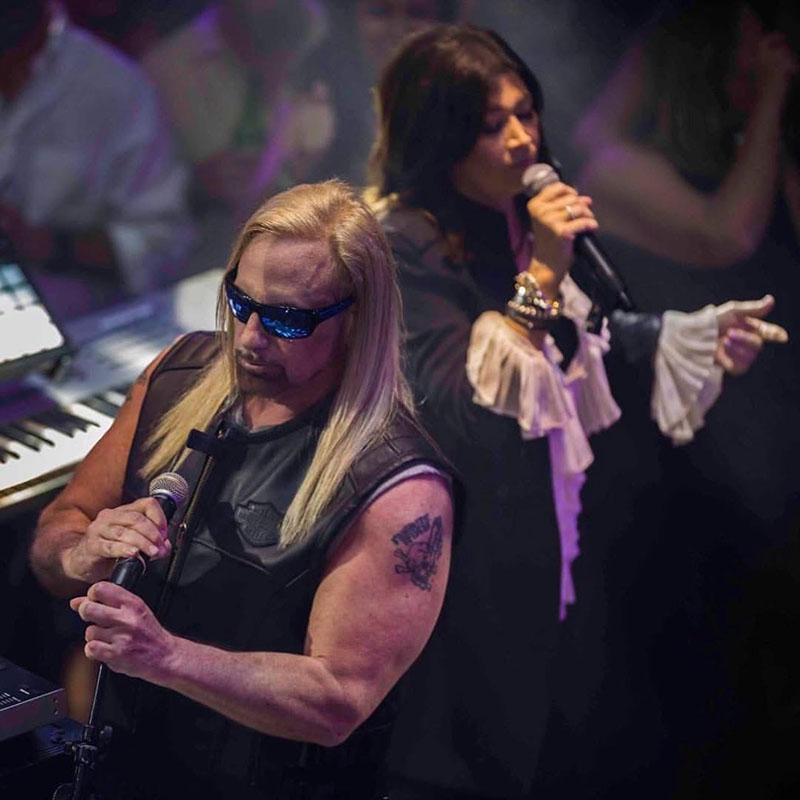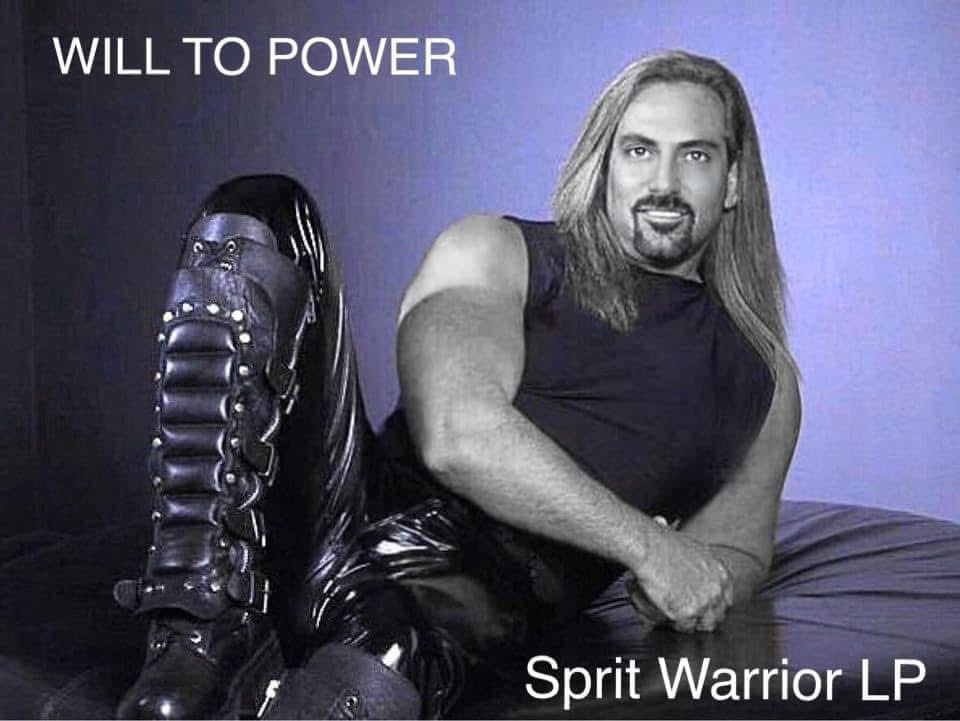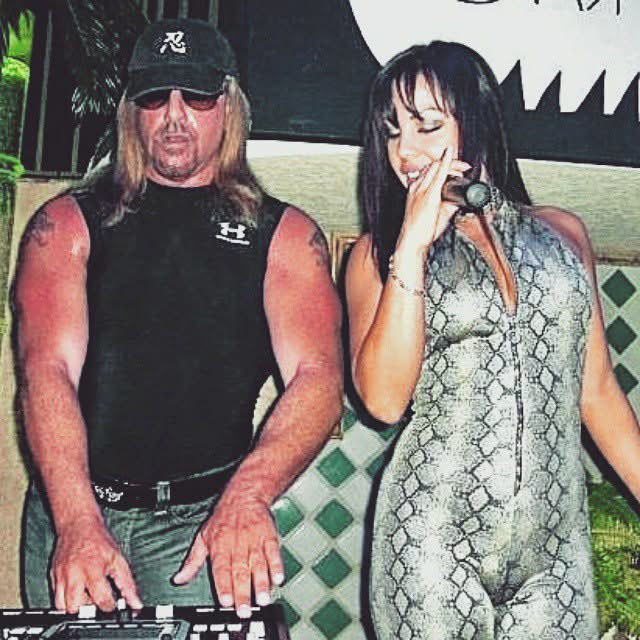
He took a song to number one on the Billboard Hot 100. He mastered one of the world's most demanding martial arts. And he did both at the same time, in the same city, without ever making it about anything other than the work.
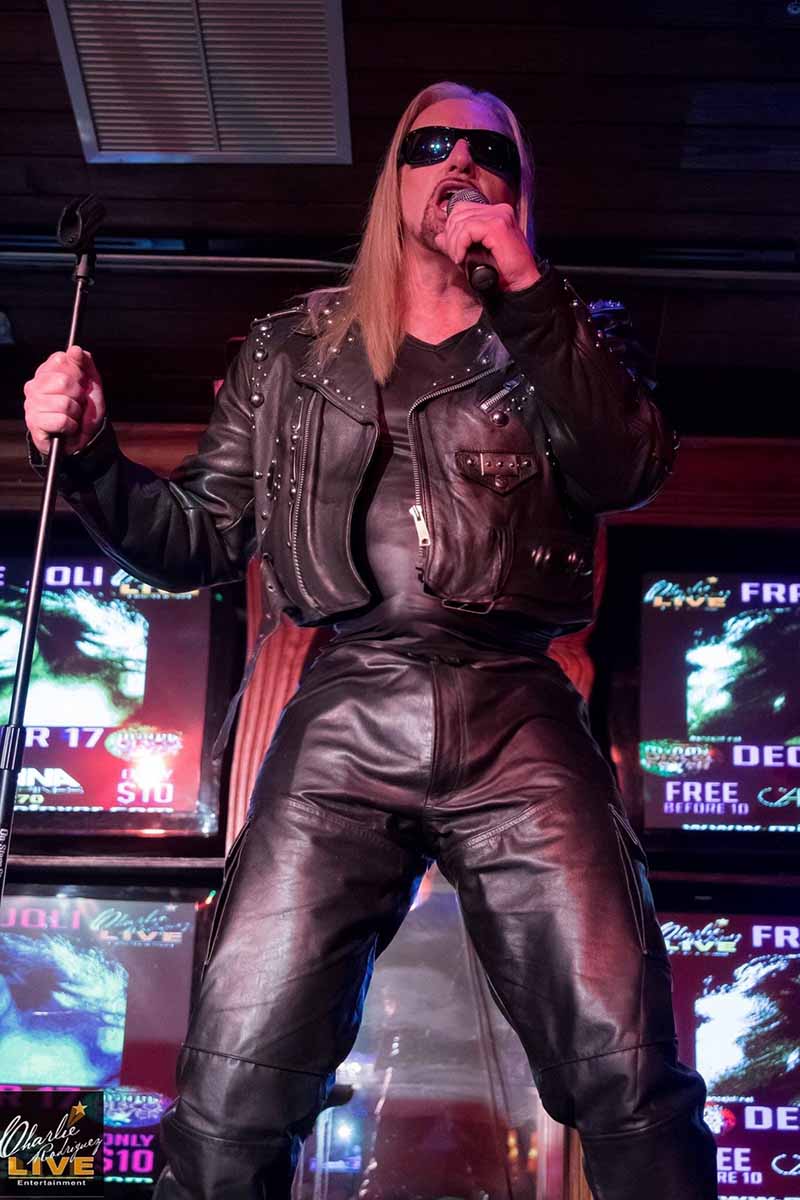
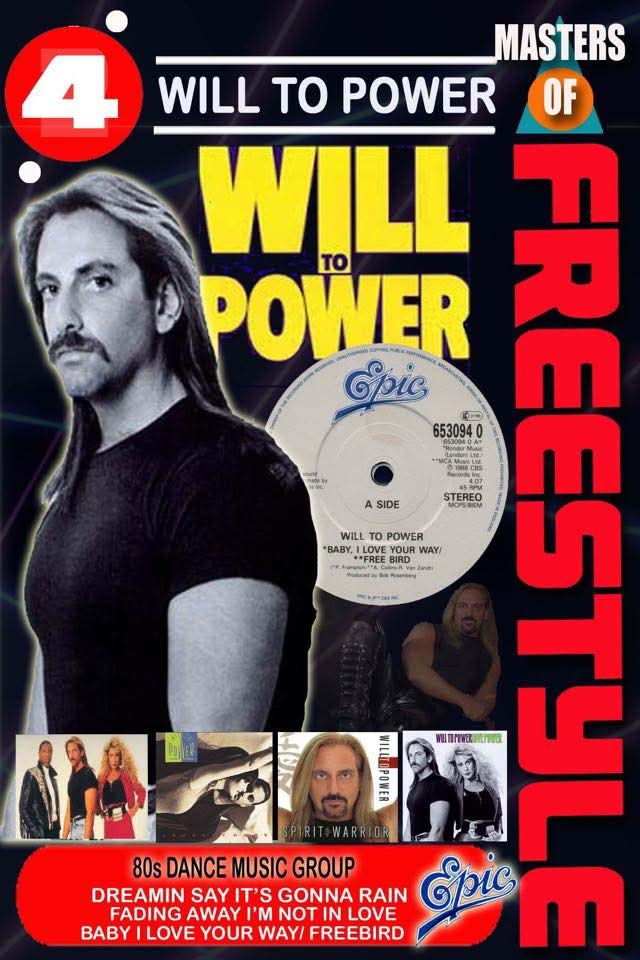
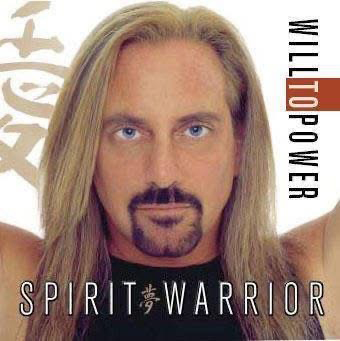
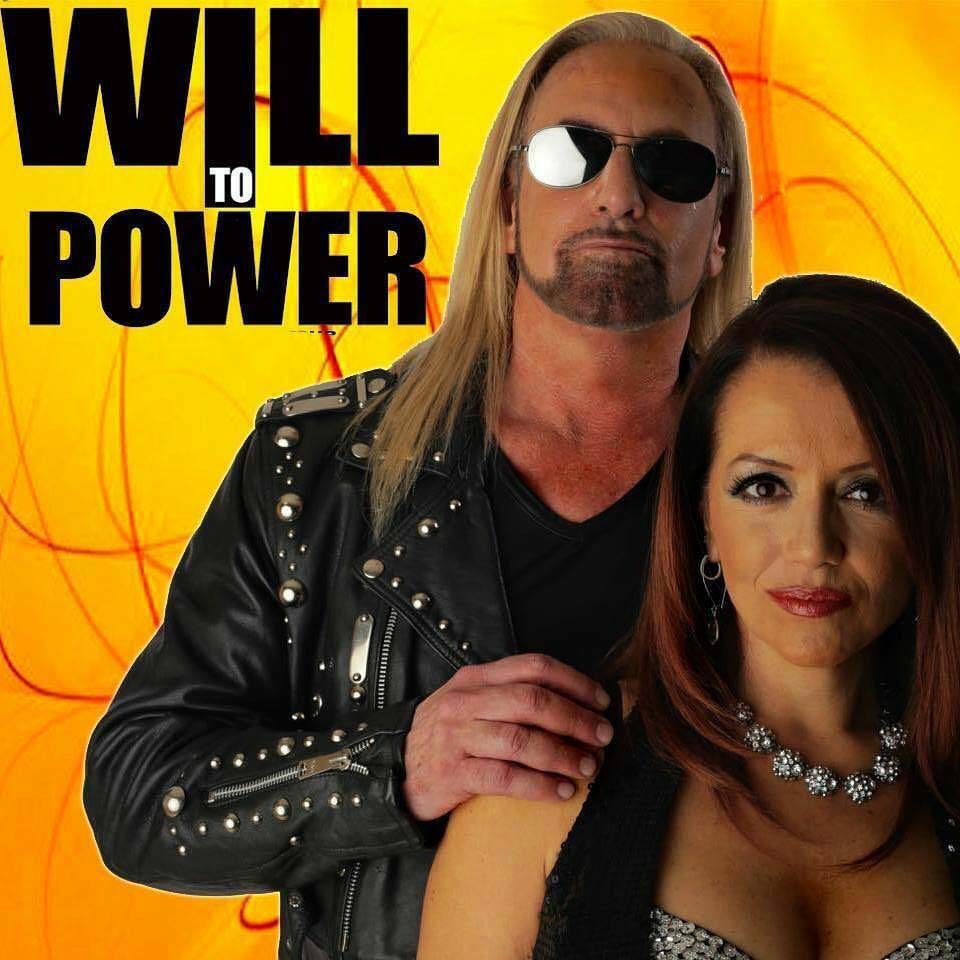
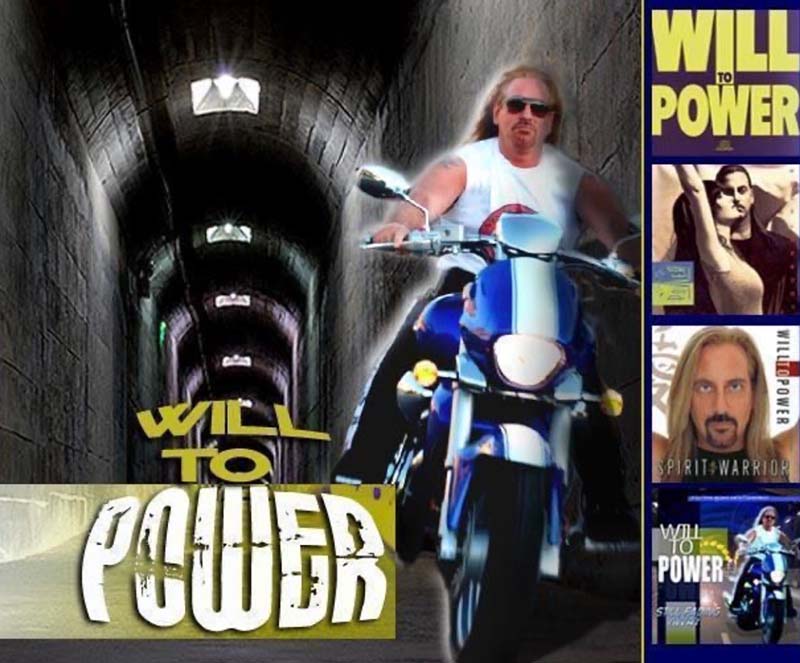
There are artists who have a hit record. And then there are artists who define a moment so completely that the moment becomes inseparable from them. Bob Rosenberg is the second kind — and then some. As the creative mastermind behind Will to Power, he did not just find success. He engineered it, sculpted it, and delivered it with such precision that the American public had no choice but to stop and listen. Will to Power's "Baby I Love Your Way / Free Bird" did not merely reach number one on the Billboard Hot 100 — it seized that position and held it, becoming one of the most talked-about records of its era, one of the boldest creative swings in late 1980s pop music, and one of the defining sounds of a generation. Decades later, the record still commands over fifty million views (50,362,279 as of the moment this article was written) and still growing on YouTube. Not streams from passive playlists, not accidental clicks — over FIFTY MILLION people who sought the song out, pressed play, and felt something. That is not a hit record. That is a cultural landmark. And the man behind it is not finished surprising people.

What Bob Rosenberg achieved with Will to Power was genuinely extraordinary. The Billboard Hot 100 number one is the single most coveted position in American popular music — an address occupied by the greatest names in recording history, a place where most artists spend entire careers trying to reach and never do. Bob got there by doing something that should not have worked and that only a musical genius would have attempted: he took "Baby I Love Your Way" by Peter Frampton and "Free Bird" by Lynyrd Skynyrd — two songs so embedded in the fabric of American rock history that they felt untouchable — and fused them into a medley that did not just honor the originals but transcended them. The record landed on radio and immediately felt inevitable, as if it had always existed and the world had simply been waiting for someone brilliant enough to find it. That someone was Bob Rosenberg. Before that landmark came "Dreamin'" — a song that announced Will to Power to major markets across the country and made clear that this was not a group to be taken lightly. Bob had built something real, something with range and intelligence and staying power, and the charts reflected it. Well over fifty million YouTube views does not lie. A Billboard number one does not lie. Bob Rosenberg is, by any honest measure, one of the most successful and inventive pop artists South Florida has ever produced — and he was, at the very same time, one of the most dedicated Wing Chun practitioners in the entire state.
What Set Him Apart
What set Bob apart — what has always set him apart — is not just talent, though the talent is undeniable. It is the way he approaches everything he touches with total seriousness, total commitment, and a complete indifference to shortcuts. This is a man who, at the height of his commercial success, was spending his private hours doing something that almost no one in the music industry was doing: training Wing Chun kung fu under a genuine master, in a city where genuine masters were almost impossible to find. Not as a hobby. Not as a phase. As a practice — disciplined, consistent, and pursued with the same intensity he brought to the recording studio.
A Martial Arts Desert — and One Rare Oasis
The South Florida of the 1980s was not fertile ground for authentic martial arts instruction. The real teachers were few and the landscape was cluttered with imitation. Bob, who had developed an instinct for authenticity that ran through everything he did, was not fooled. The same ear that could hear the difference between a great record and a good one could hear the difference between a real system and a hollow one. He kept searching. And in Fort Lauderdale, he found Andy Chung — a Taoist and Buddhist master of such profound humility that he did not even advertise Wing Chun by name, despite possessing one of the deepest and most varied martial arts curricula in the entire region. Andy taught Wing Chun, Tai Chi, Southern Praying Mantis, and multiple Hakka styles. He traveled to China several times a year to give seminars. He was, in short, exactly the kind of teacher that most serious practitioners spend their entire lives looking for. Bob found him in his twenties, in Fort Lauderdale, while simultaneously building one of the most successful pop careers that South Florida has ever produced. That is not luck. That is the kind of magnetic pull that comes from being absolutely serious about what you want.
The Training Years
Under Andy's guidance, Bob threw himself into the Wing Chun system with the same total dedication he brought to his music. He trained in Wing Chun, Tai Chi, and Southern Praying Mantis. He absorbed not just the physical techniques but the underlying philosophy — the elegant logic of a system built on structure, economy, and the intelligent redirection of force. And he trained on Andy's original Mook Jong — a wooden dummy that Andy had constructed himself from PVC pipe and lumber, improvised and unassuming, the beating heart of the school's daily practice. Bob purchased that dummy from Andy in the 1980s and made it the centerpiece of his own training space for decades. Every hour he put in on that dummy was an hour that nobody saw, nobody photographed, and nobody applauded. That is exactly the kind of hour that builds something unshakeable.
Wing Chun and the Making of a Number One Record
The parallels between Wing Chun mastery and the mastery Bob achieved in music are not coincidental — they are the DNA of greatness itself. Wing Chun is a system that punishes ego and rewards intelligence. It teaches you that force is the last resort of someone who has not thought carefully enough. It builds in you an understanding of structure so deep that you begin to see structure everywhere — in how a conversation unfolds, in how an opportunity opens, in how a record needs to be shaped so that it hits the listener exactly where it is supposed to hit them. The "Baby I Love Your Way / Free Bird" medley was a structural masterstroke. It found the hidden architecture connecting two beloved songs and revealed it in a way that felt both surprising and inevitable. That is Wing Chun thinking applied to songwriting. That is what years of serious training does to the way a mind works.
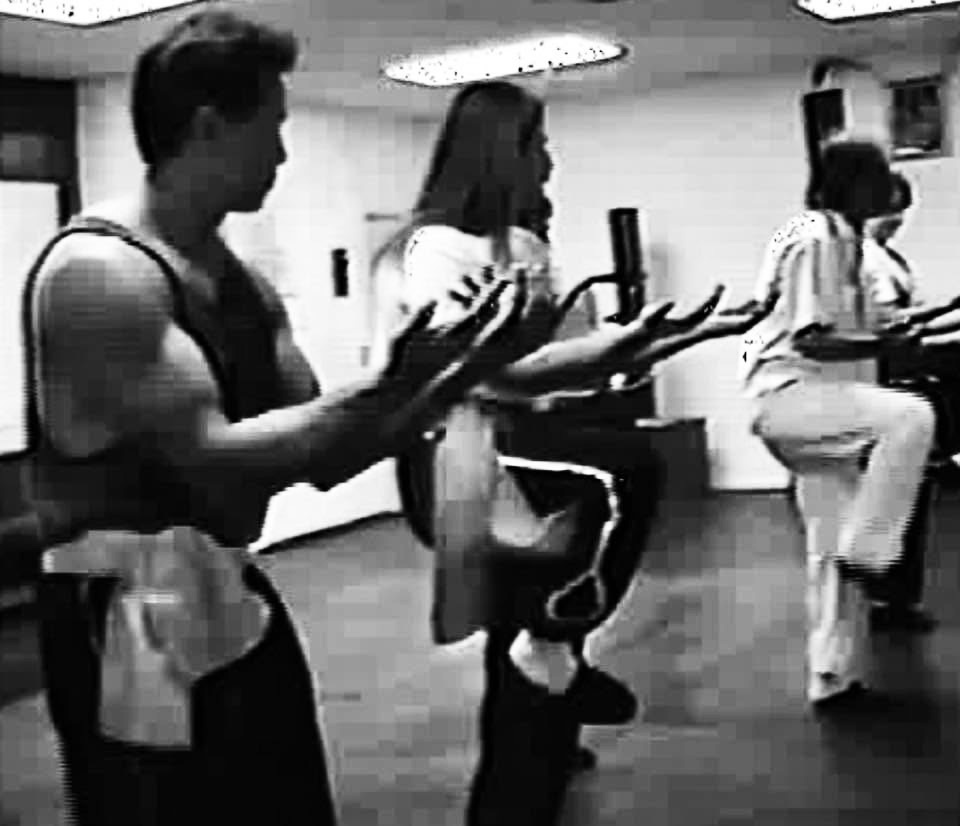
By the late 1980s, Bob had progressed through all three of Wing Chun's open-hand forms under Andy's instruction. His training footage from 1993 captures him performing Biu Jee — the third and most advanced of the empty-hand forms, a set that represents the culmination of years of genuine commitment to the system. Biu Jee is not given to students who have not earned it. It is not a form that flatters the impatient or the undisciplined. The fact that Bob was there — on camera, doing the work, in 1993, at the height of his fame — is a statement about who he is that no interview or profile has ever quite captured. Here was one of the most successful pop artists in America, spending his time mastering something ancient, difficult, and entirely removed from the spotlight. Not for show. For himself.
Fame and the Mook Jong
Through chart runs and recording sessions, through the machinery of the music industry at its most demanding, the training never stopped. The Mook Jong was there. The forms were there. The quiet, private ritual of a practice that answered to nothing and no one but the practitioner's own standard was there. Bob Rosenberg was a star, and he was showing up to train anyway — because Wing Chun was not separate from his success. It was the foundation of it. The centeredness. The precision. The refusal to be rattled by chaos or seduced by shortcuts. These are not qualities you are born with. They are qualities you build, one training session at a time, on a wooden dummy in a Fort Lauderdale school.
Passing It Forward
Earlier this year, Bob returned Andy's original wooden dummy when he moved — bringing it back to the man who built it with his own hands, four decades after Bob first brought it home. It was a gesture entirely in keeping with the kind of person Bob is: someone who understands that the most meaningful things in life are not owned, they are held in trust for a while and then passed forward. That dummy witnessed years of Bob Rosenberg at his most unguarded — not the pop star, not the hit-maker, but the student, the practitioner, the man who chose to spend his time doing something hard and true when no one was looking.

A Legend in Every Room He Walks Into
Bob Rosenberg is a legend. Not just because he has a number one record, though he does. Not just because he built a band that made music history across the globe, though he did that too. He is a legend because of the wholeness of who he is — the artist and the martial artist, the craftsman and the scholar, the man who chased authenticity in every room he walked into and somehow, remarkably, found it. He took one of the most demanding arts in the world as seriously as he took his music, trained under a master that most people never find, and never once felt the need to tell anyone about it. The Billboard chart told one side of the story. The Mook Jong in that Fort Lauderdale training hall told the other. Together they tell the whole story of Bob Rosenberg — a man who didn't just reach greatness, he was built from it.